THE TRIGGER EFFECT
How fake lists, bots, and smear jobs after Charlie Kirk’s death turned into a giant machine to silence people.

Everything posted here is backed by research data.
When Kirk died, something snapped. Instead of just being sad or angry, people started saying: 👉“Make lists.” 👉“Call their bosses.” 👉“Get them fired.” That’s where the game began.
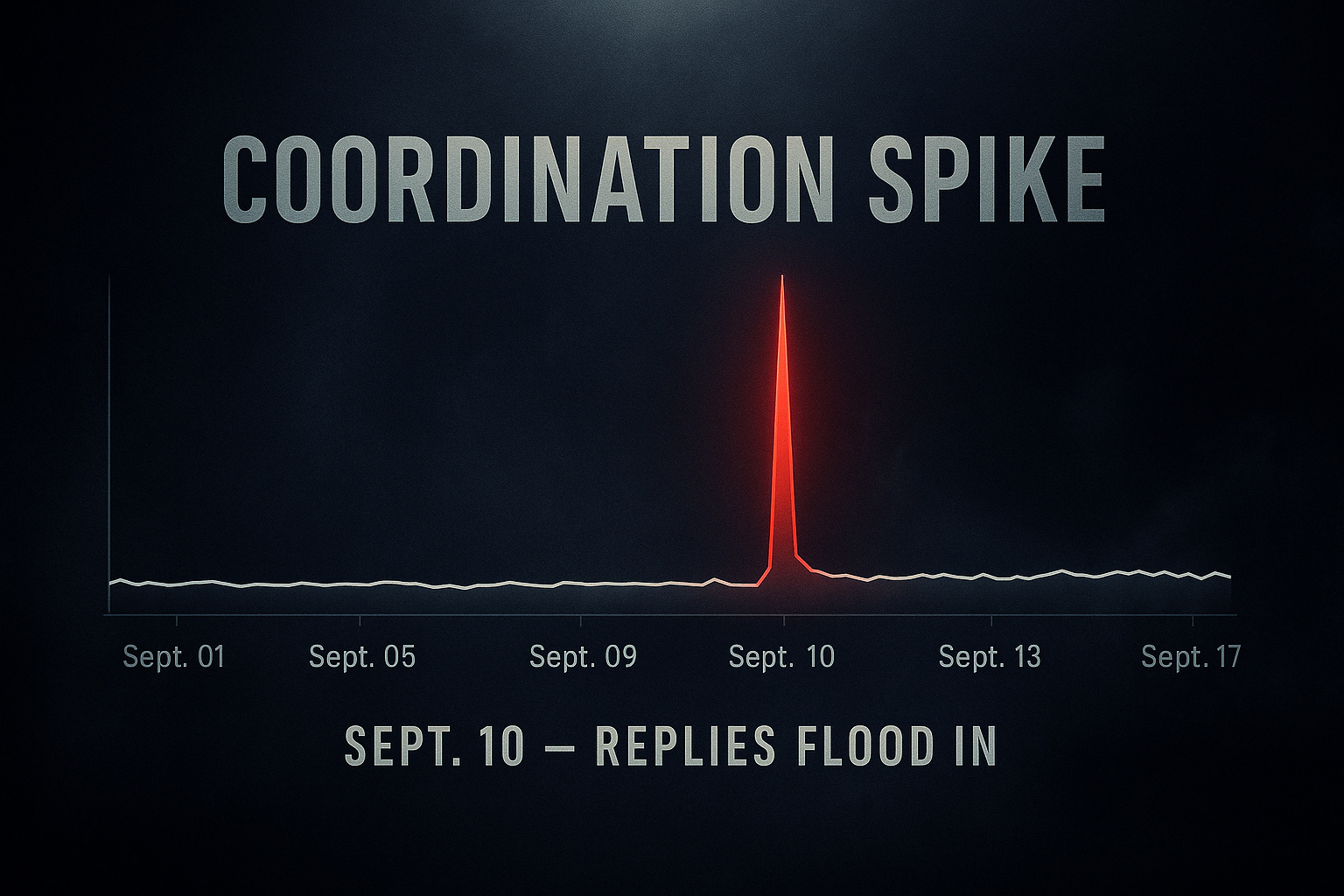
A blacklist is a secret list of “bad people.”
Once you’re on it:
❌You can lose your job. ❌You can be harassed. ❌You can be silenced.
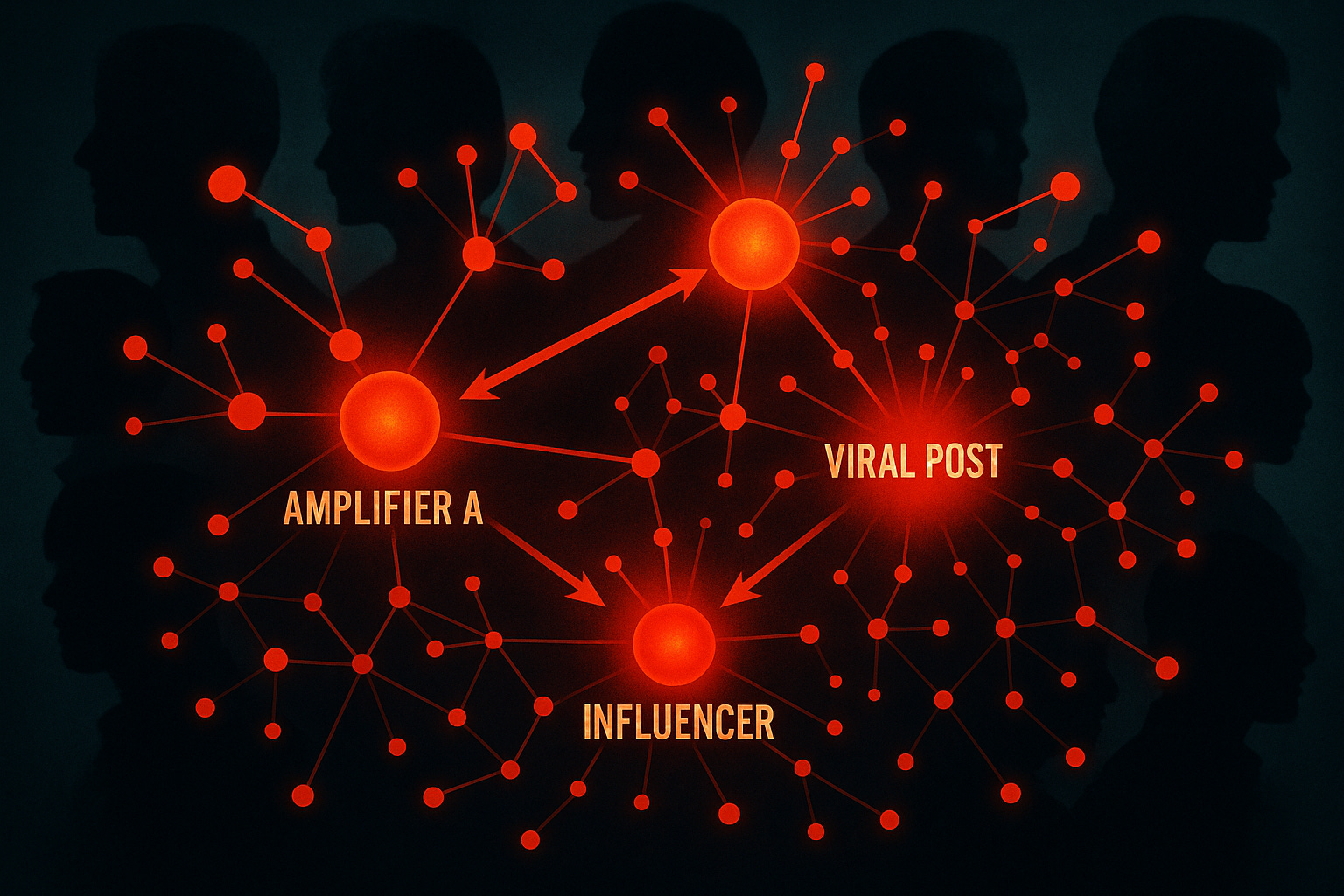
Bots (fake accounts) jump in:
💬Copy the same lines.
💬Point to the blacklist.
💬Amplify outrage 100x faster than humans.
That’s how a “trigger” spreads.
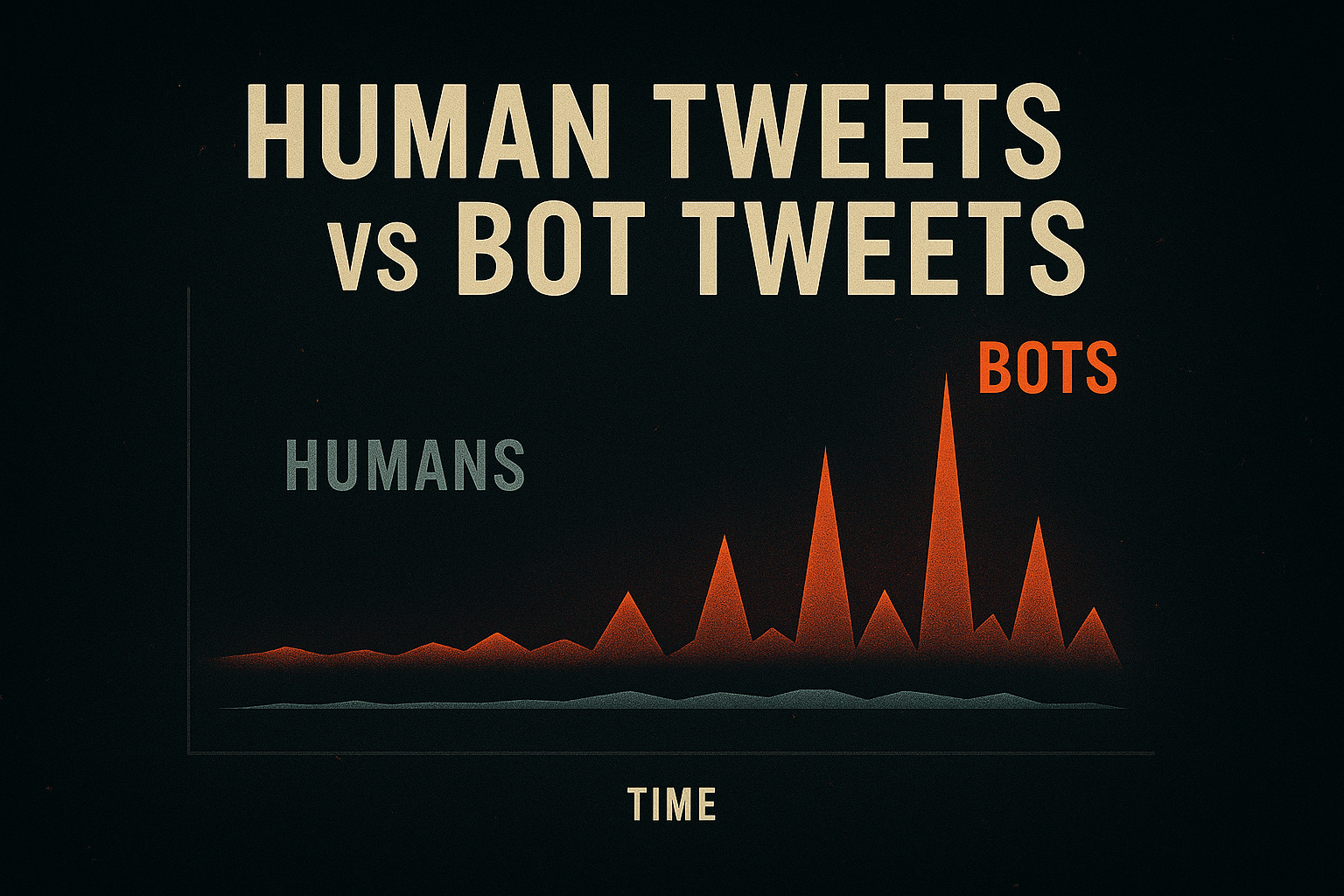
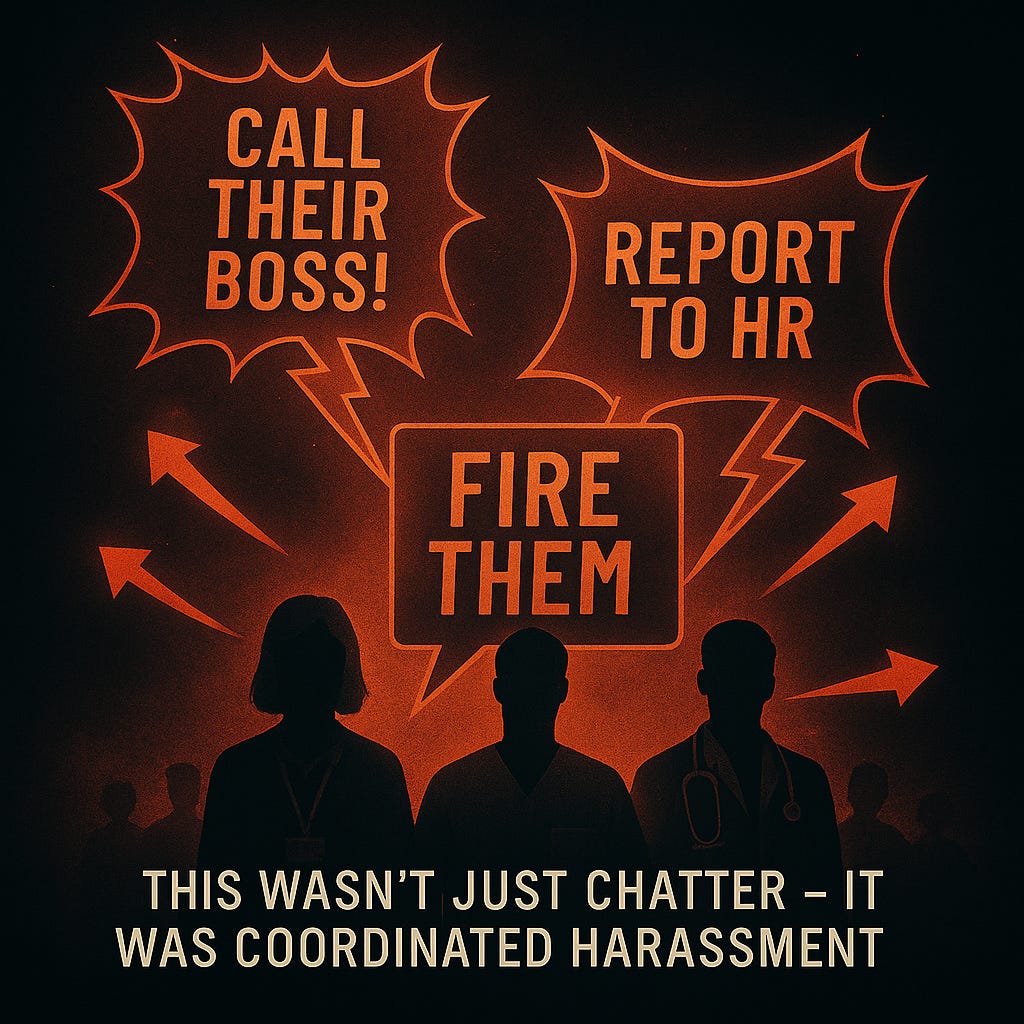
Real posts said: 📞“Call their boss!” 📧“Email their dean!” 📢“Expose them!”
This wasn’t just chatter — it was coordinated harassment.
Examples:
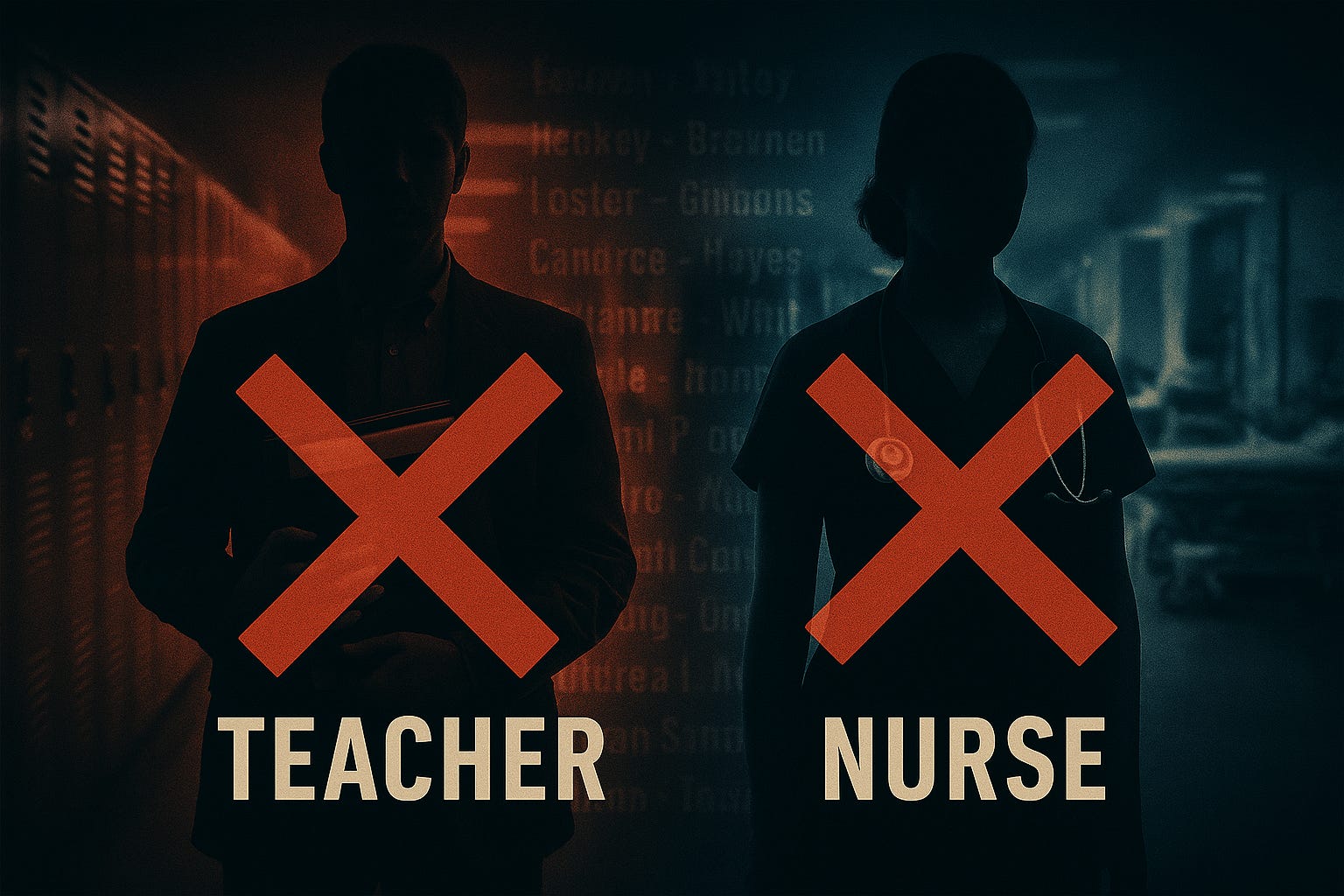
👩🏫Teachers mocked Kirk → suspended/fired.
👨⚕️Nurses posted “karma” → lost jobs.
This wasn’t random — it was targeted.
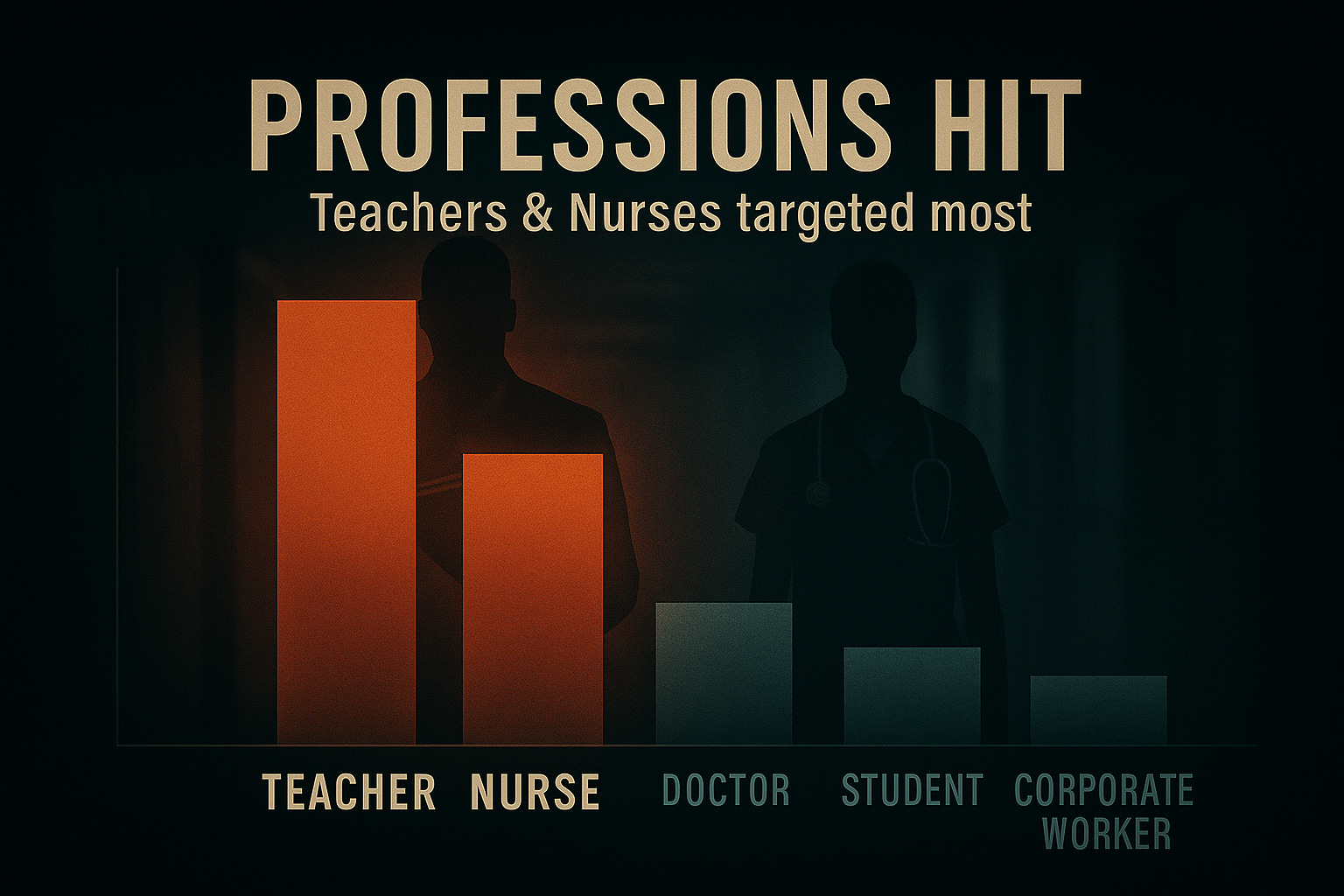
The biggest hits were to teachers + health workers. Easy targets, easy headlines.
Big MAGA accounts like Gunther Eagleman, LibsOfTikTok, etc. repeated these “fire them!” calls. That’s how fringe rage became mainstream.
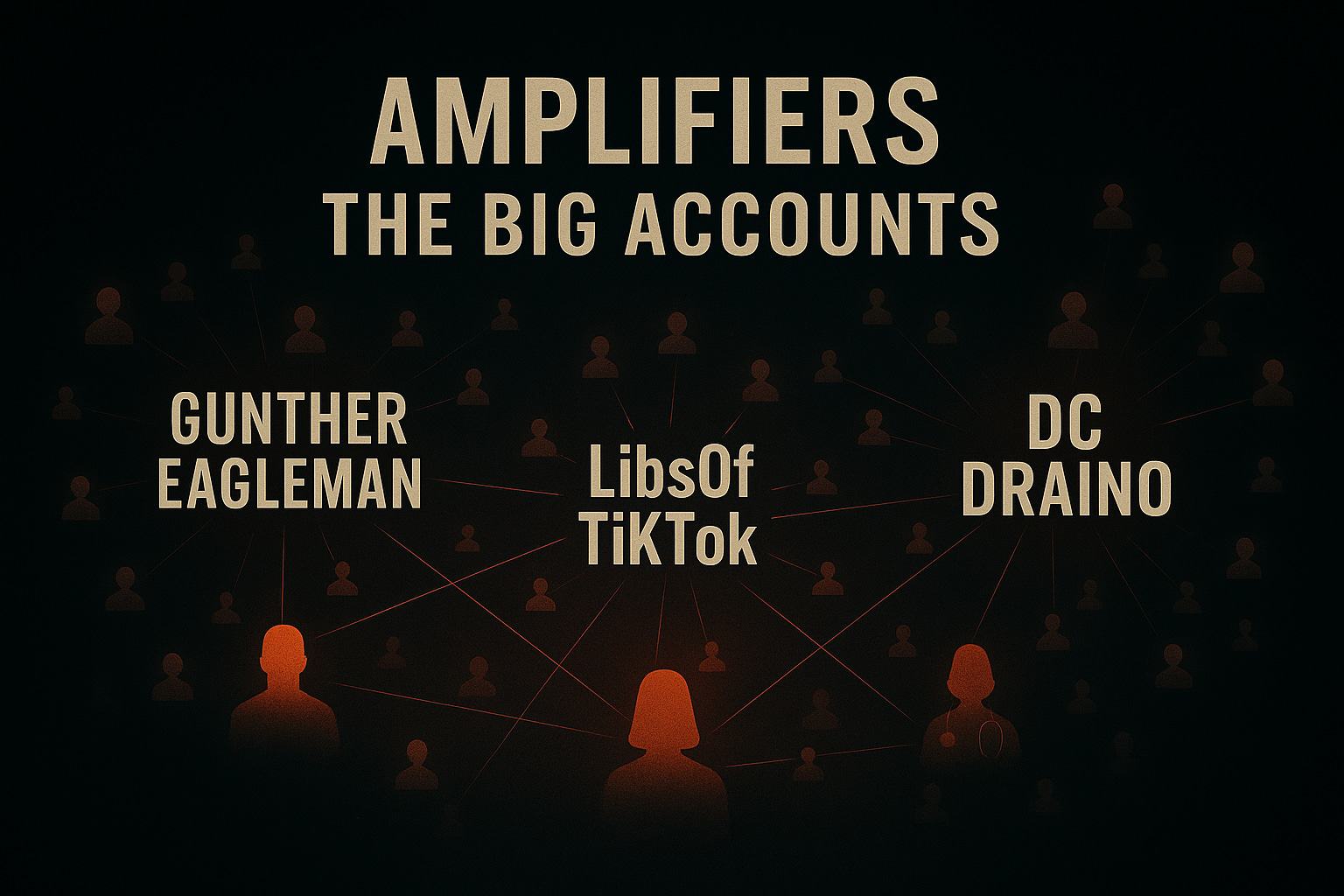
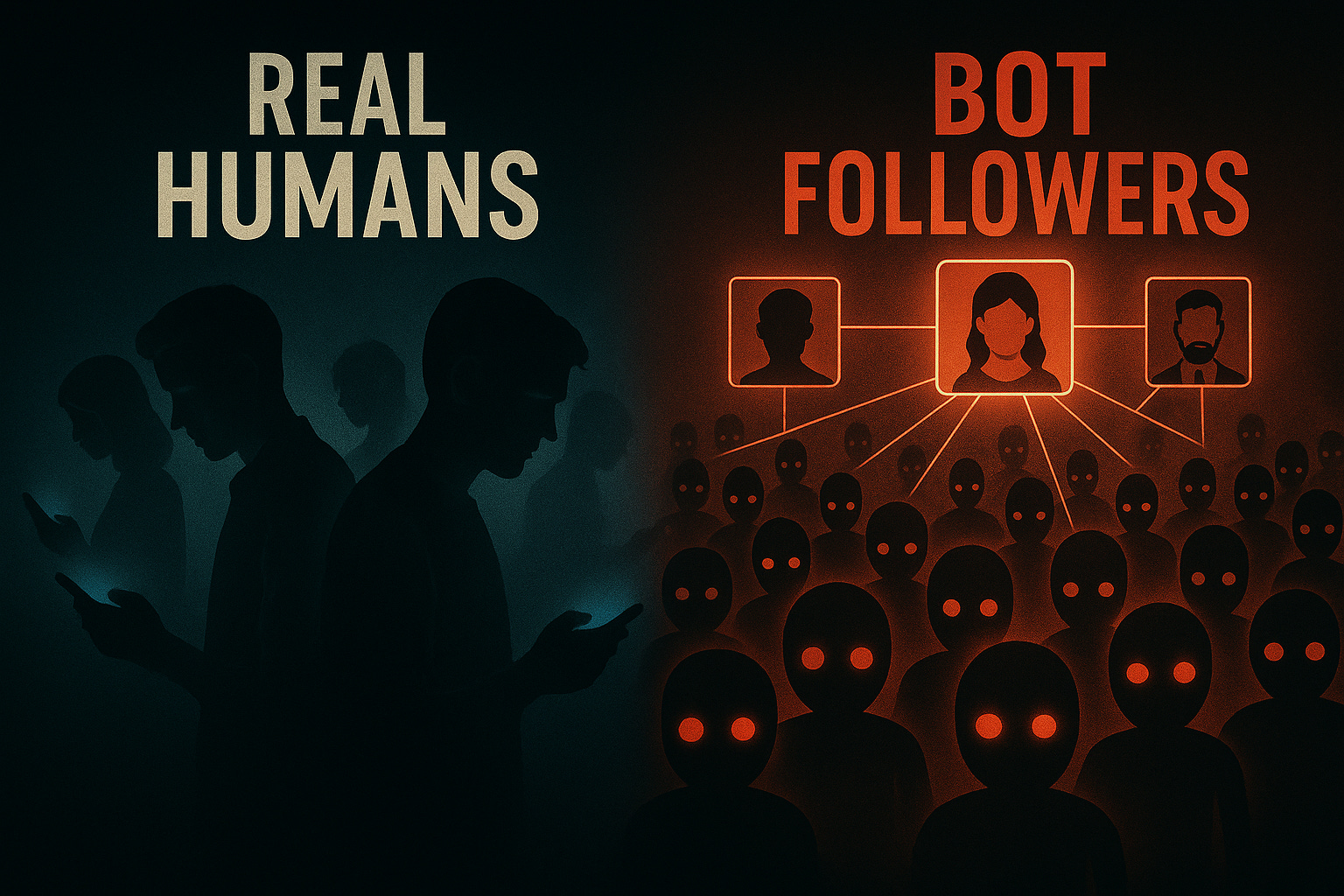
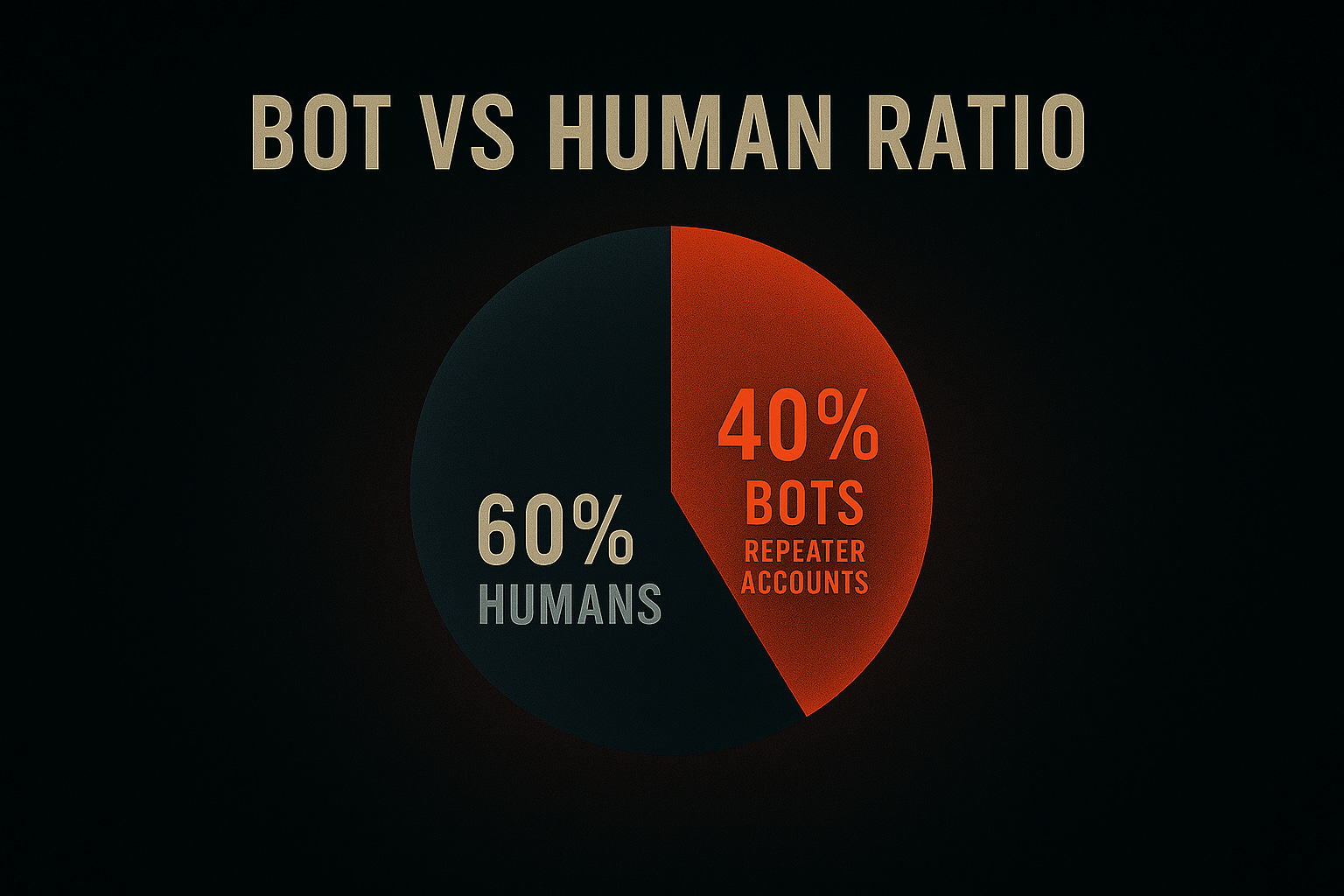
Some posts came from real people, others from bots. But the trick: bots follow hundreds of MAGA influencers to look “real.” (That’s why some accounts seem human, but act like machines.)
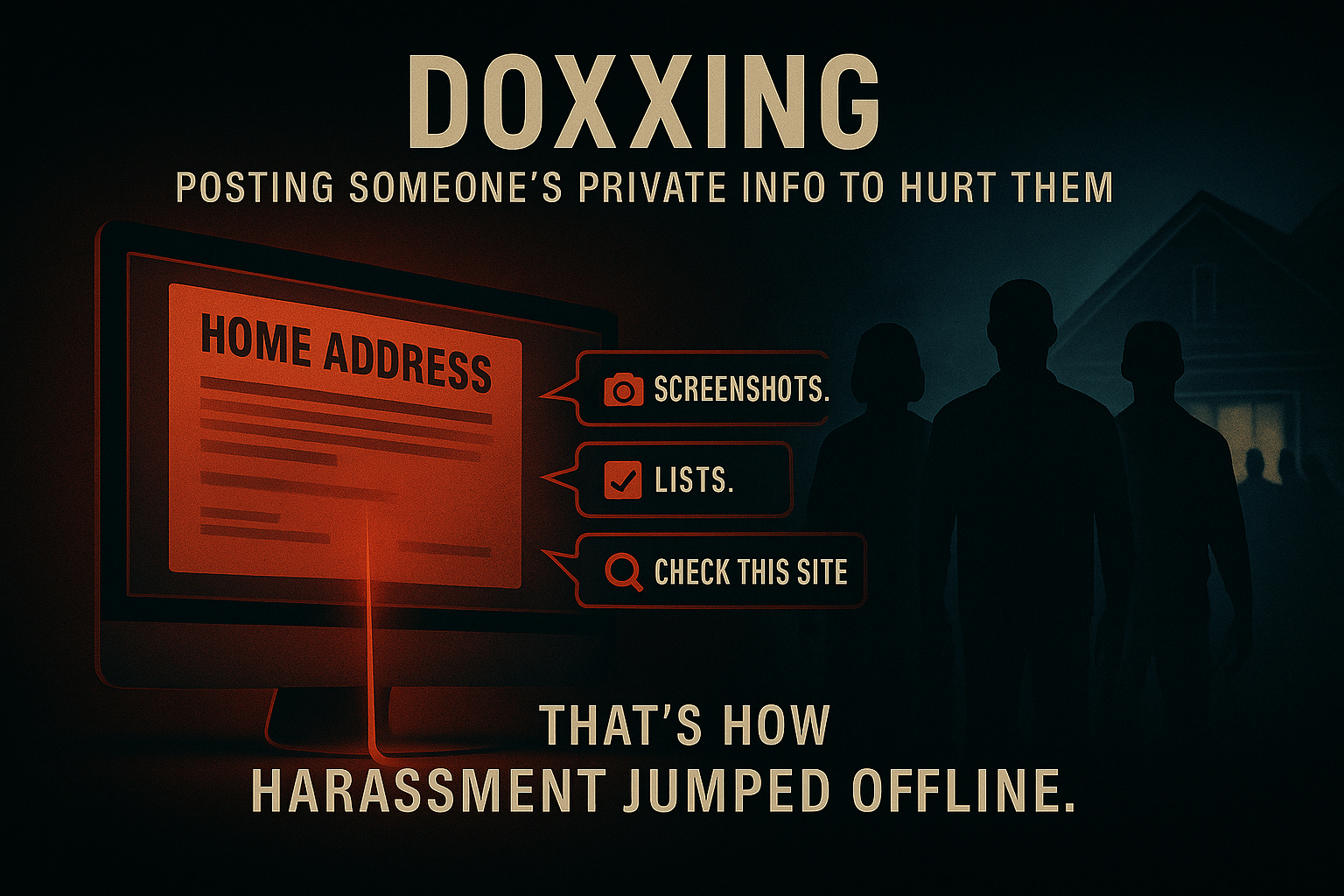
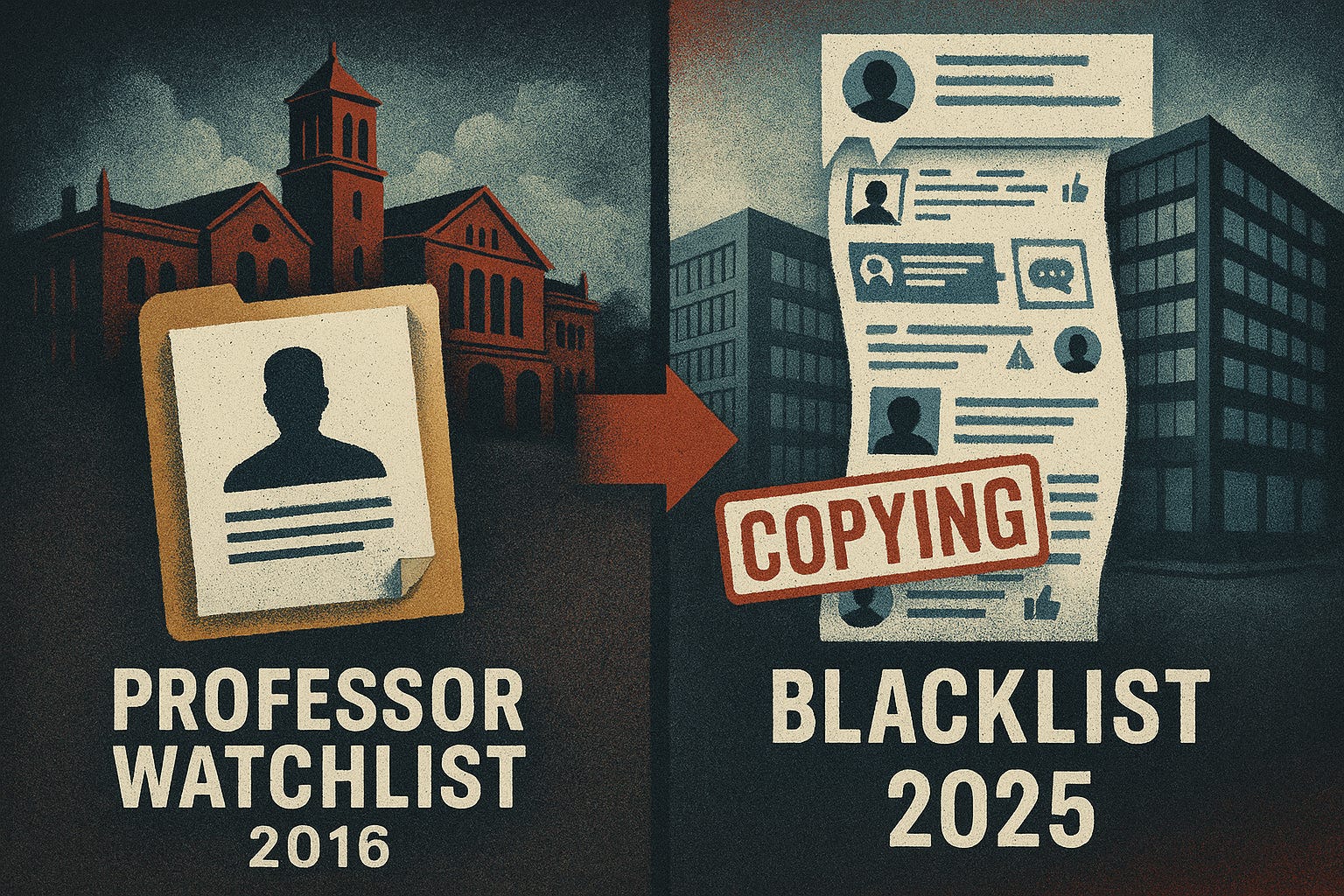
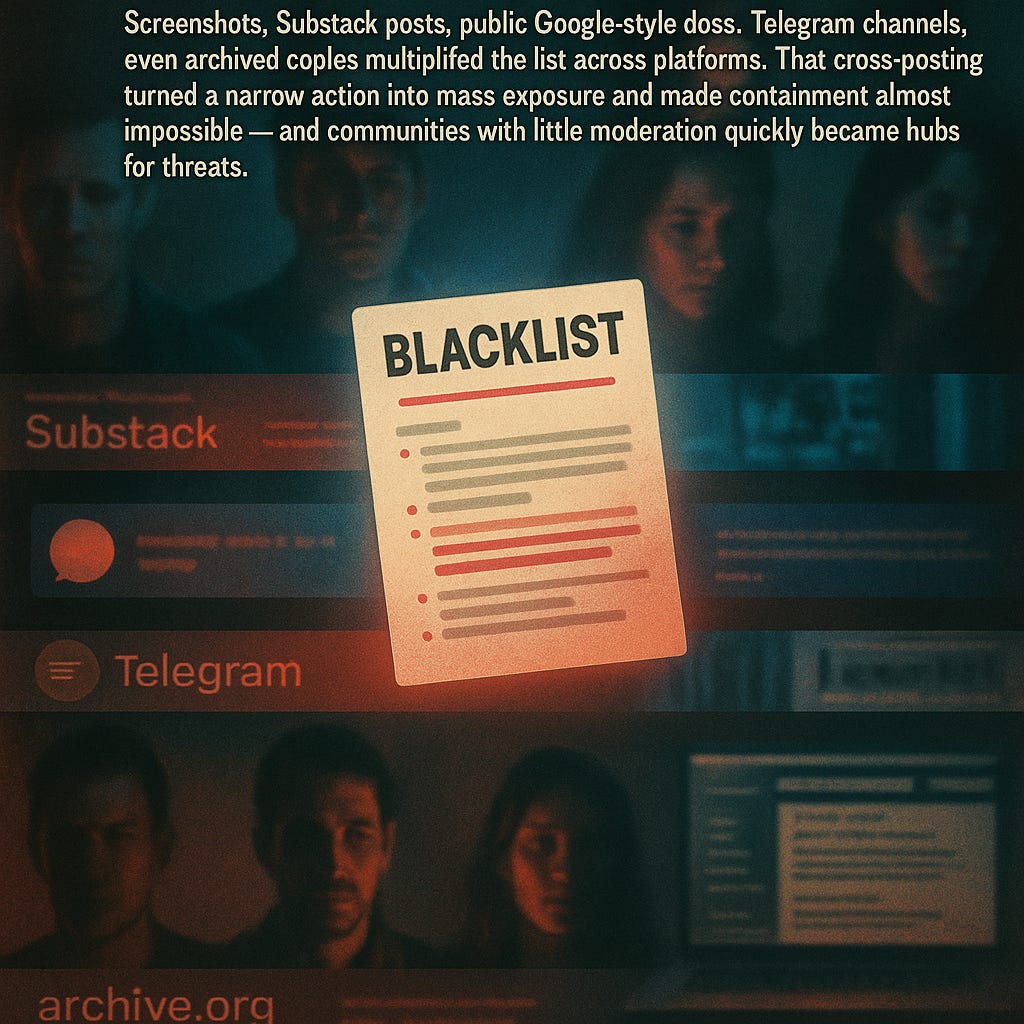
Screenshots, Substacks, Pastebins — all sharing “blacklists” of people who mocked Kirk. The machine turned grief → weapon.
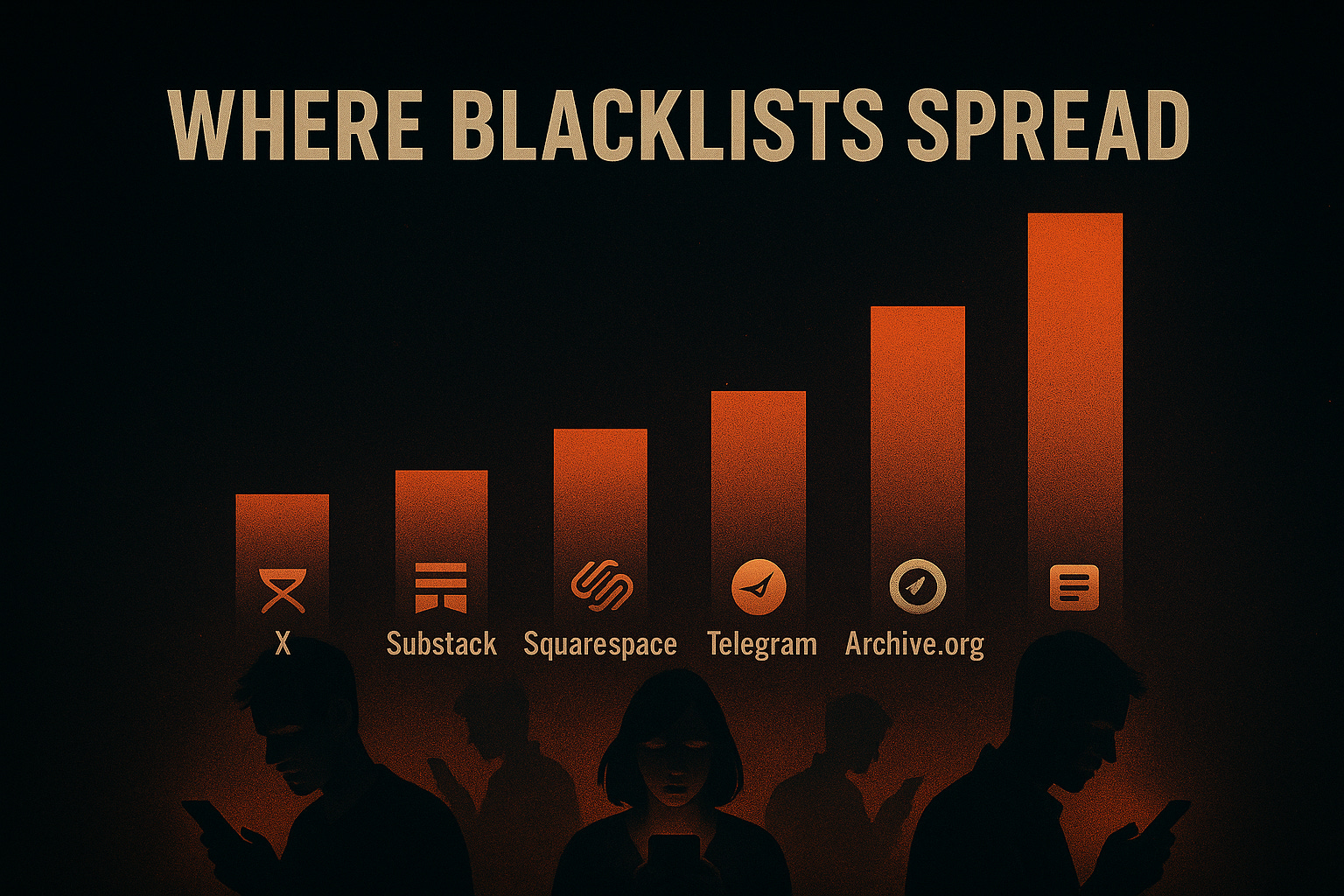
Once a name appears on a public/private blacklist the chain reaction is brutal: coordinated calls to employers and licensing boards, social-media pile-ons, local news pickups — and quick job suspensions or firings. For many, a tweet becomes a real-life crisis overnight.
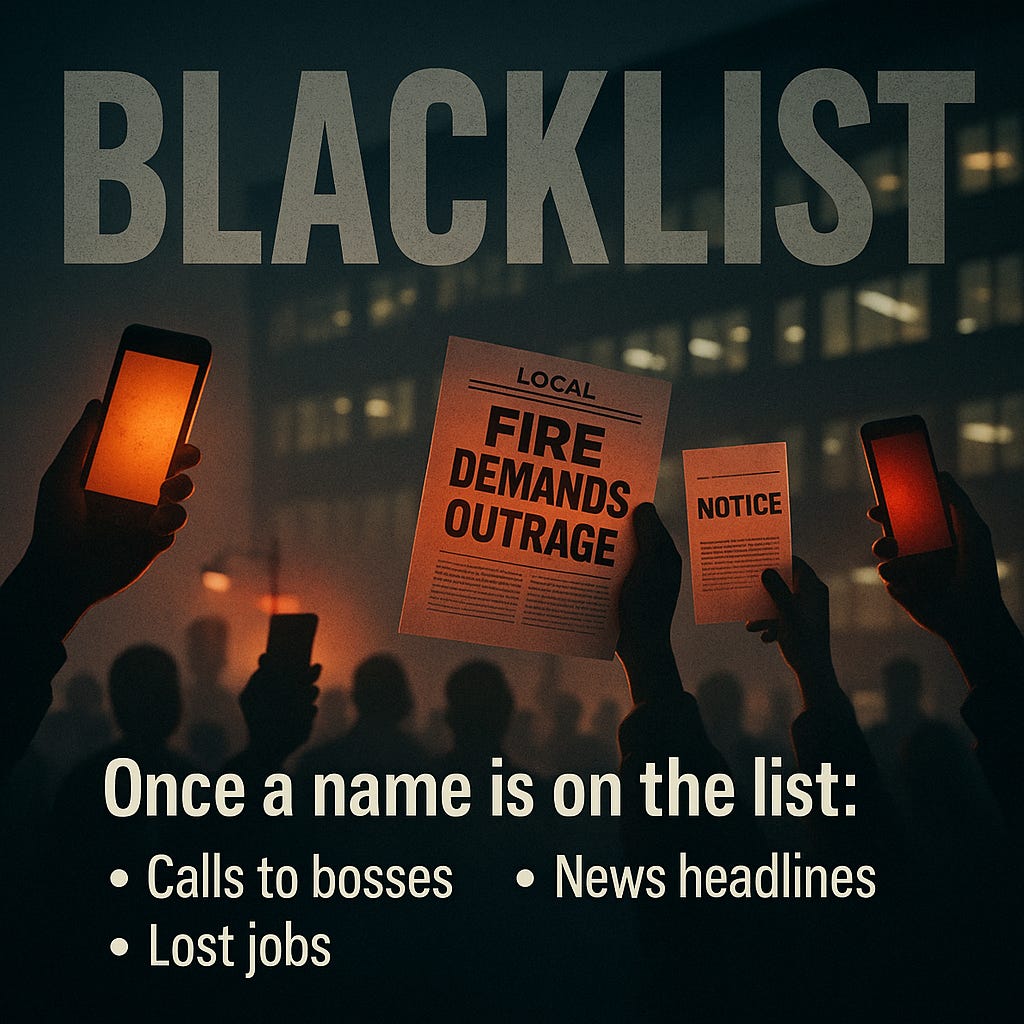
Remember: Kirk’s group once ran “Professor Watchlist.”
Now others use the same playbook against regular people.
Timeline of events:
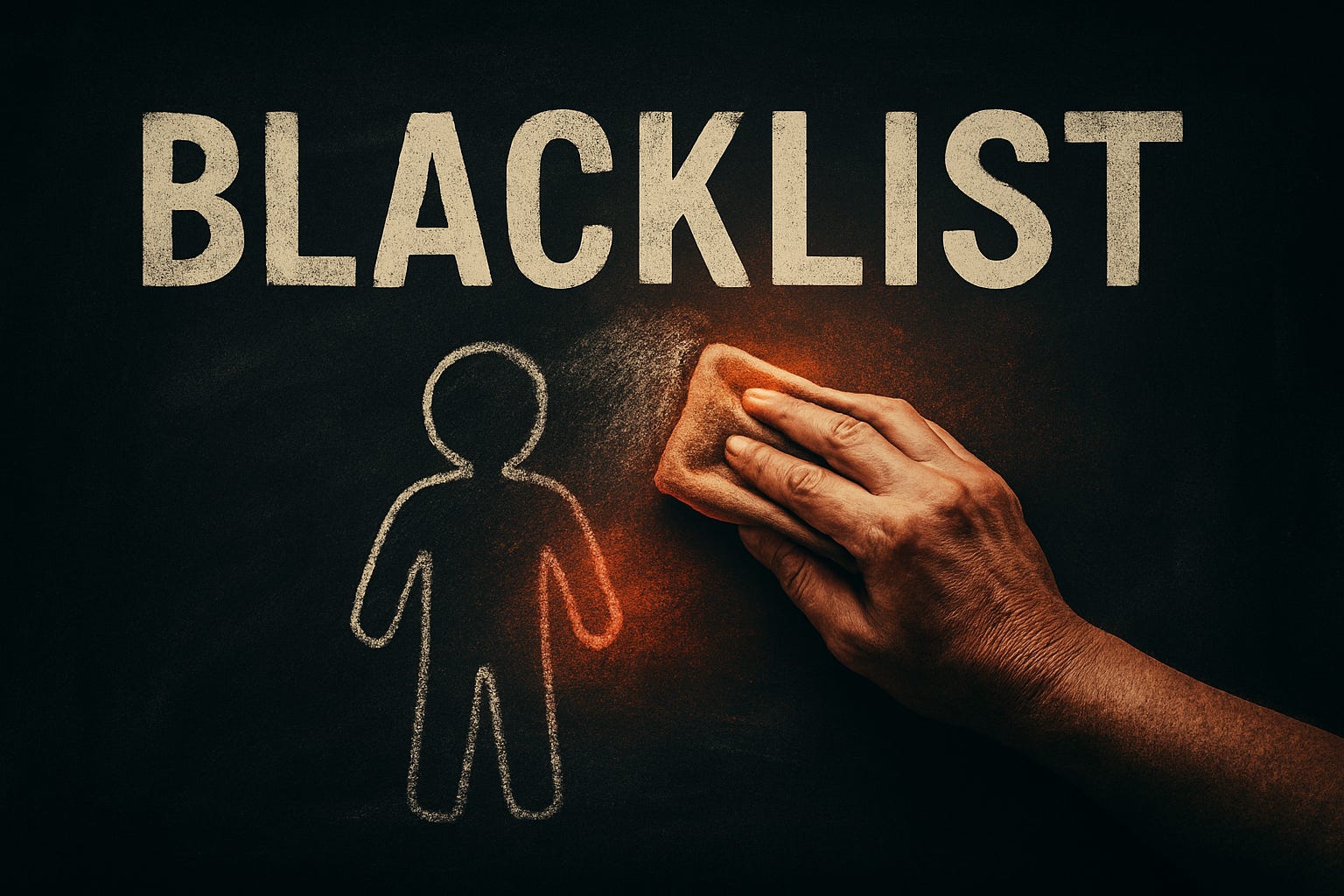
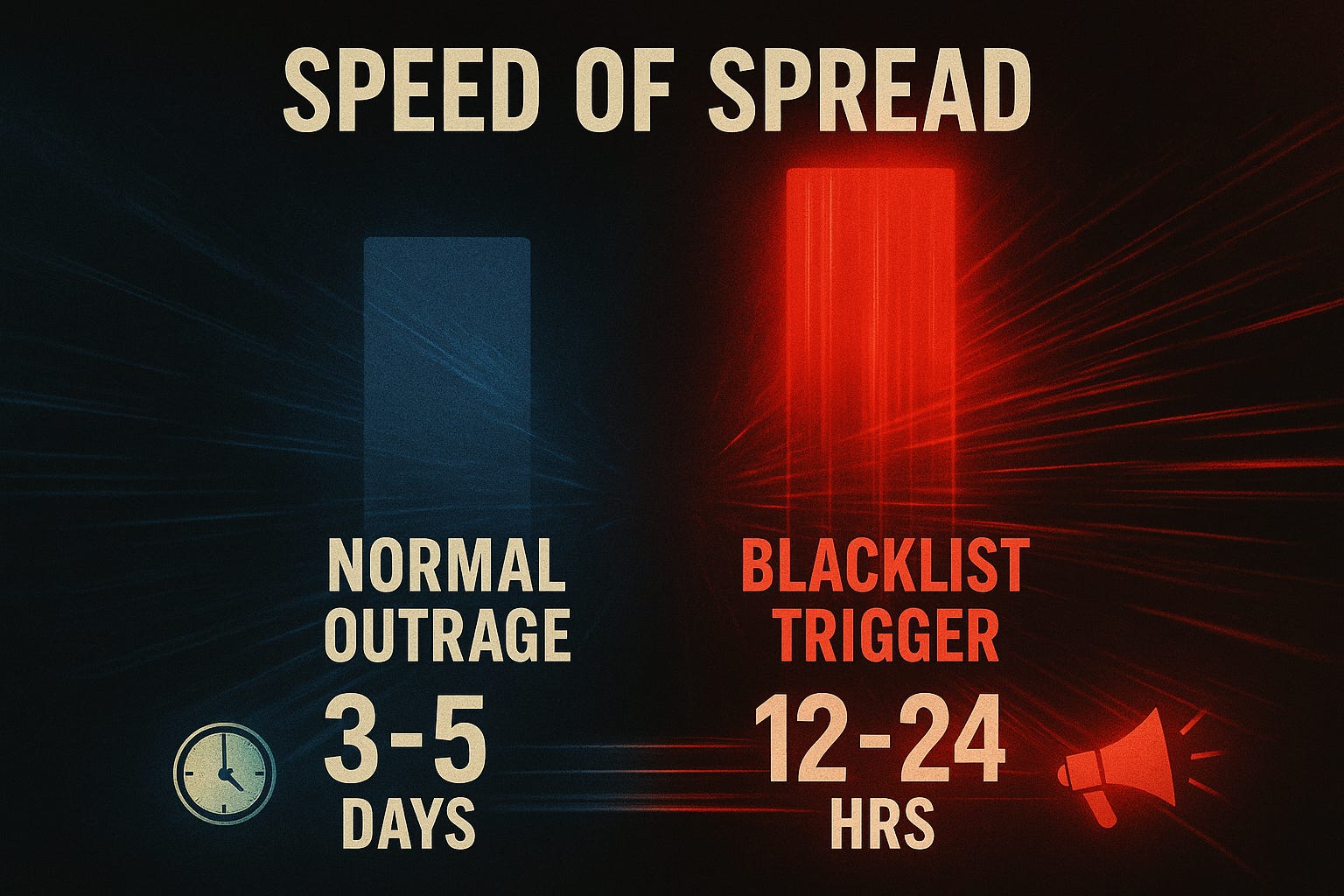
Sept 10 (death) → within 12–24 hours replies and listings spike →
Sept 11–12 hashtags and calls-to-action proliferate →
Sept 13–15 lists posted on Substack/Telegram/archival sites →
Sept 16 onward: suspensions, firings, and reported threats.
The speed is a defining part of the harm.
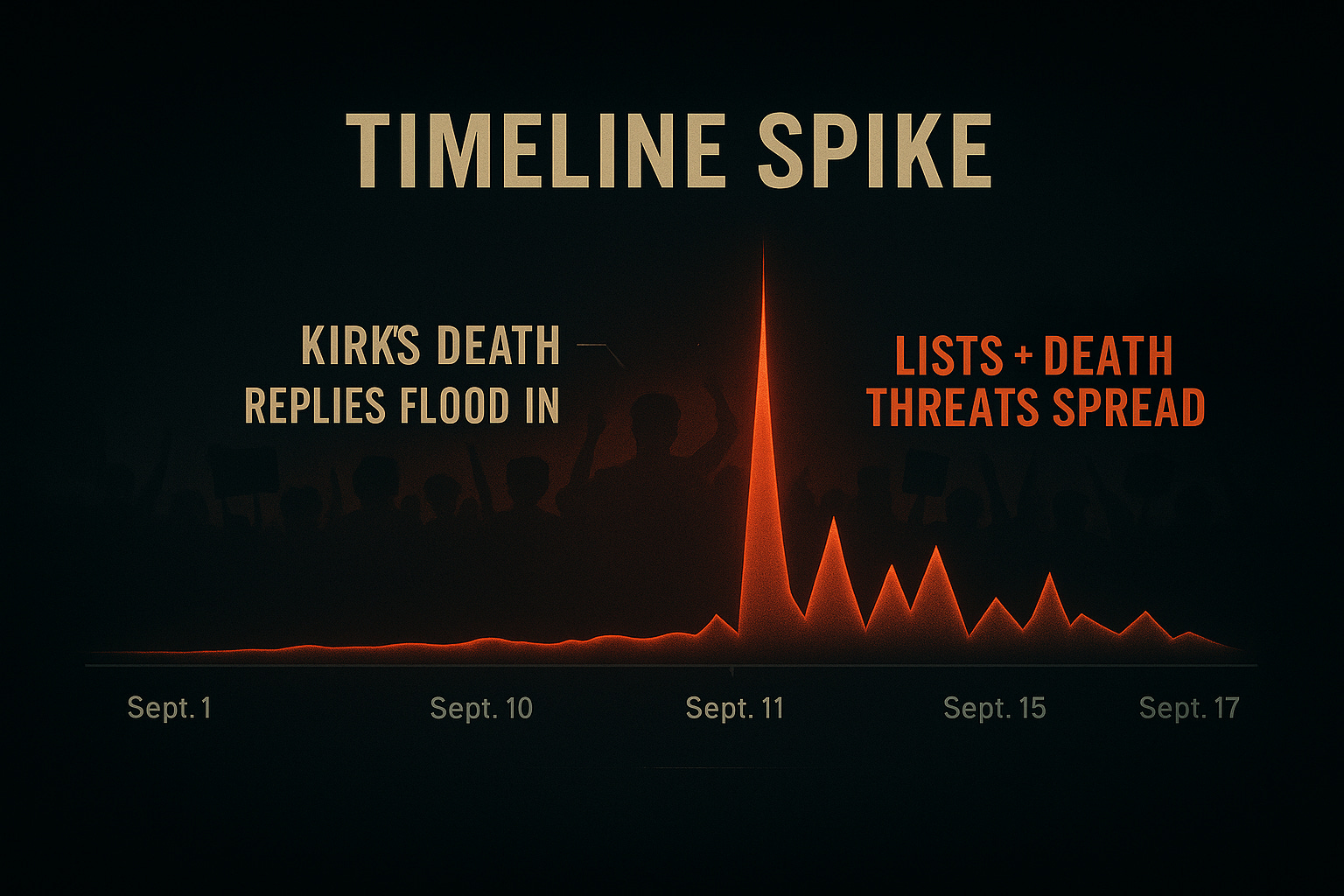
Traditional outrage cascades over 3–5 days; the blacklist-trigger in this case accelerated that to 12–24 hours. Rapid bot amplification + large amplifier accounts compressed time, giving little space for context, correction, or calm response.
Doxxing moved the harassment offline: leaked location details, workplace names, and home proxies appeared in public threads and docs. Within hours, messages emerged that crossed from taunting to threats — explicit death threats, “we know where you live,” and calls for violence. Multiple targets reported threatening DMs, calls, and intimidating at-home encounters. This escalation is the most dangerous slice of the Trigger Effect.
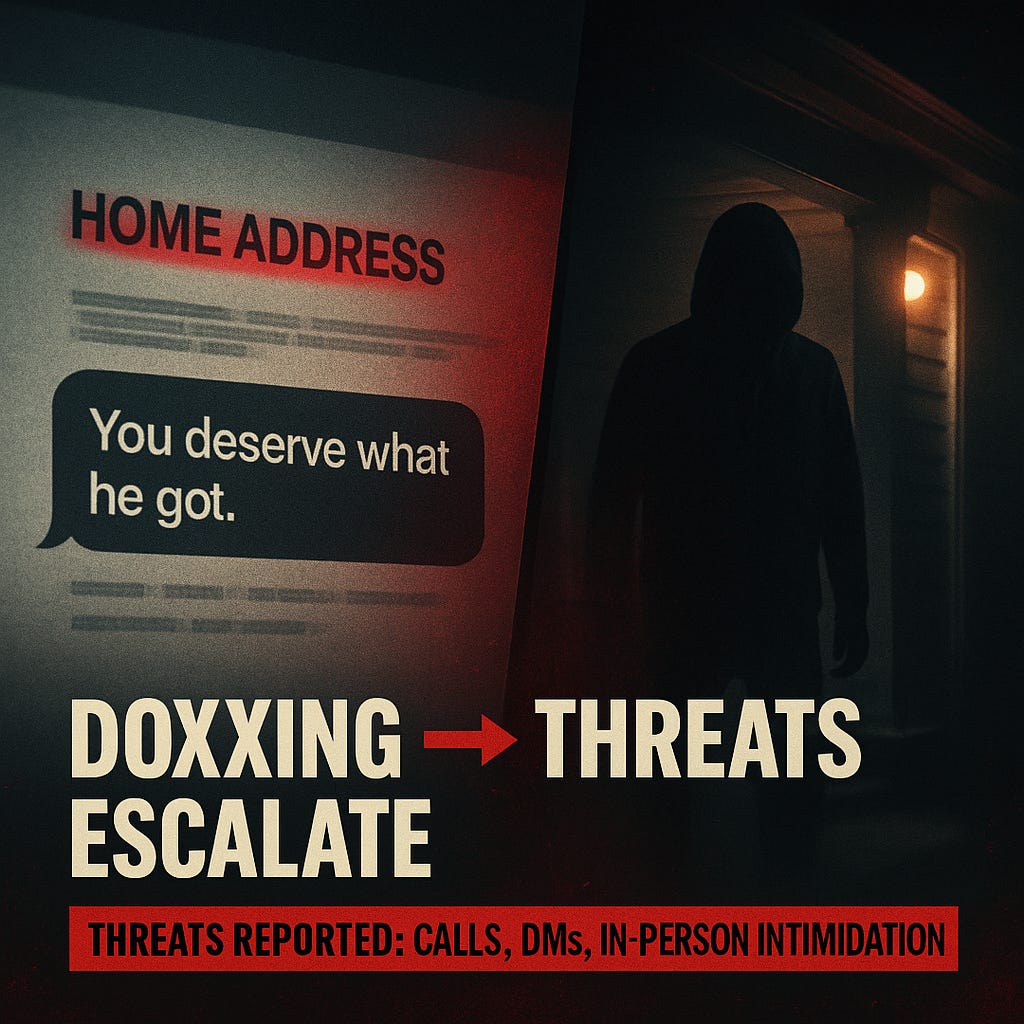
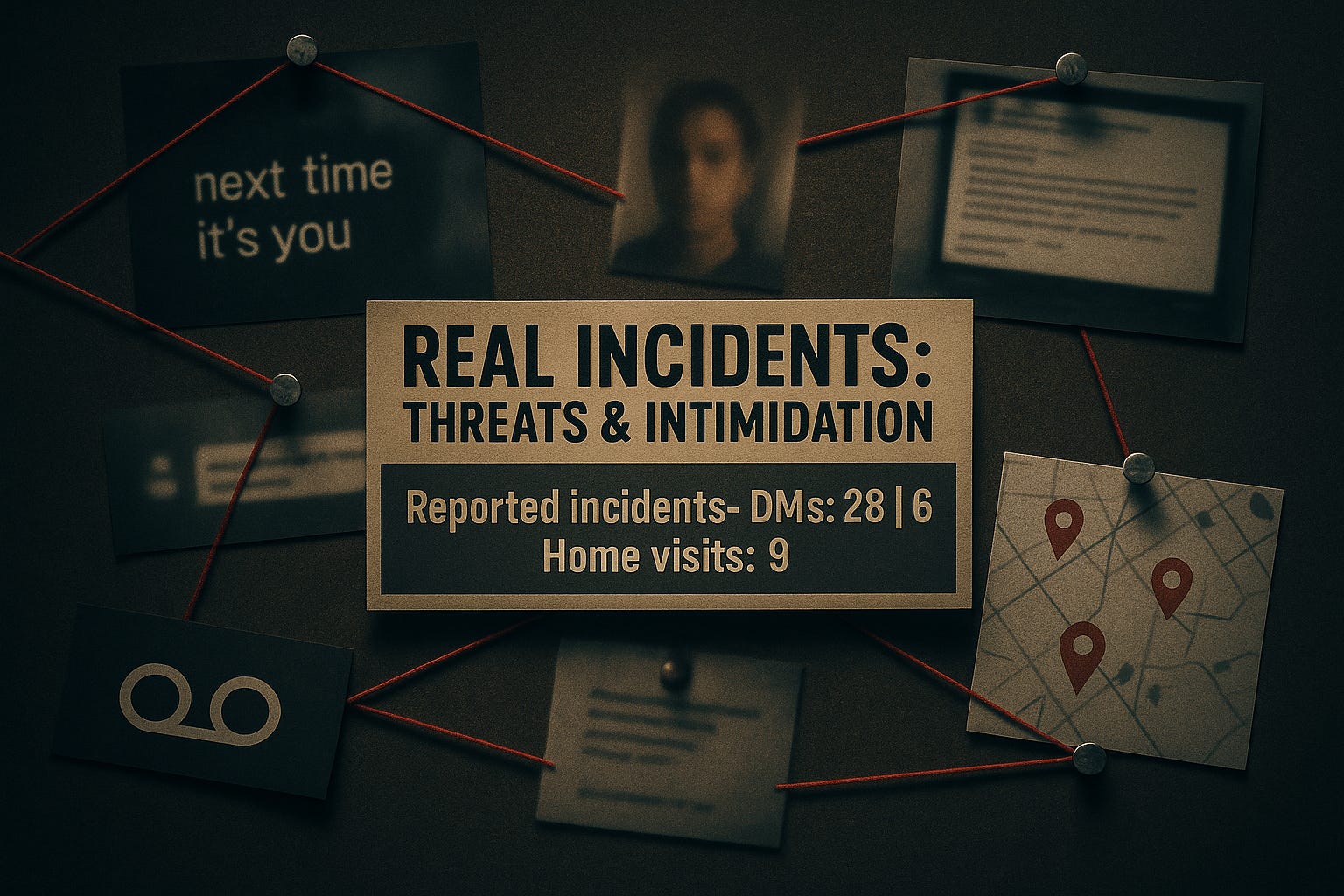
Documented incidents included threatening private messages, anonymous phone calls to targeted employees’ workplaces, and at least several reports of people feeling unsafe leaving home. Even when threats didn’t result in physical attacks, they produced fear, lost work, counseling needs, and security concerns — real harms that ripple outward.
Evidence: threatening DMs, anonymous calls to workplaces, reports of people afraid to leave home. Even without attacks, fear, counseling needs, and security costs followed. Harassment → tangible harm. This is what we found on just a brief sweep.
High-following amplifiers repeated calls-to-action and republished lists, magnifying reach. Certain platforms (public timelines, unmoderated groups, and private channels) became vector points where threats congealed and spread. That mix of reach + lax moderation funneled harassment into real-world danger.
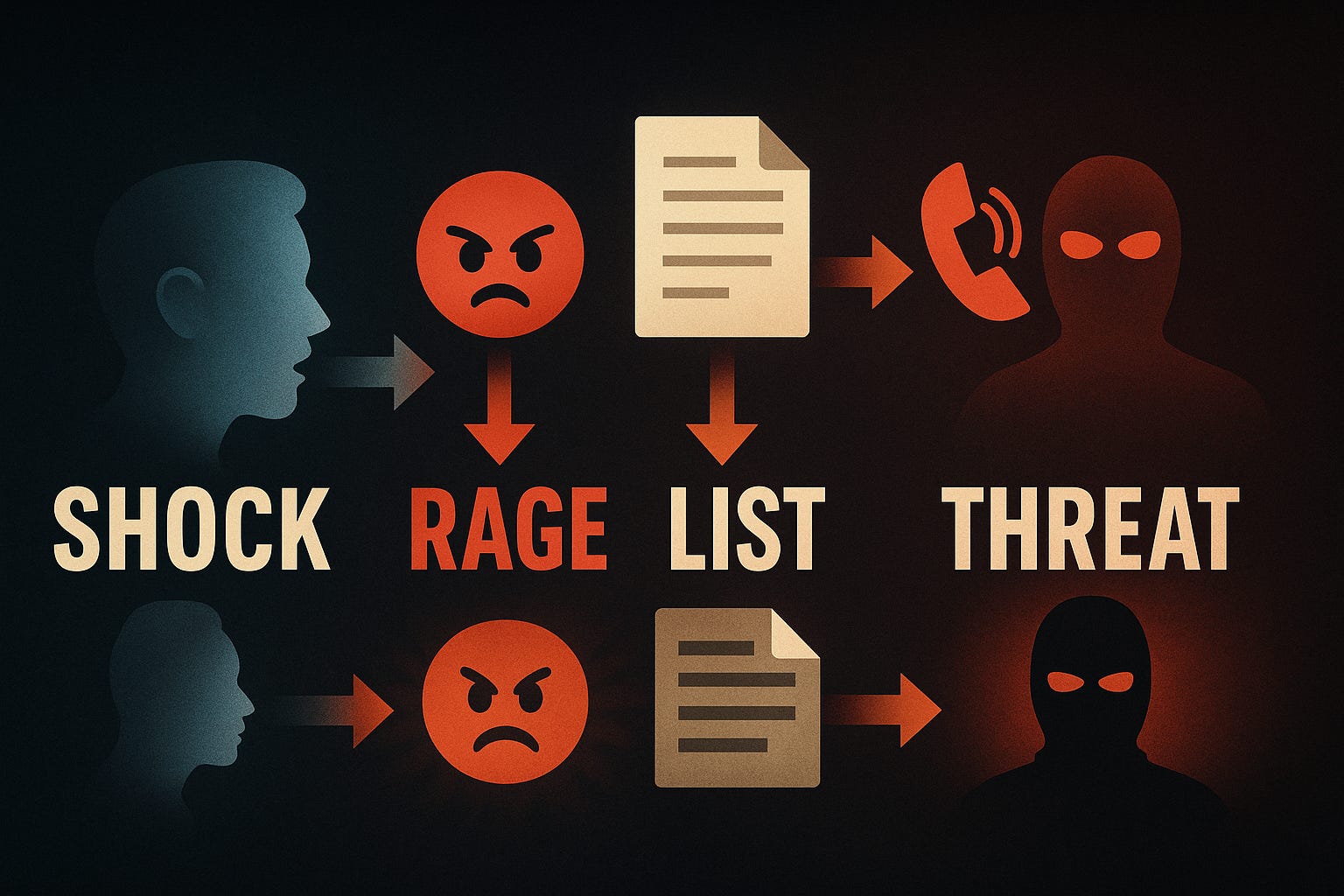
The Trigger Effect is psychological: shock → rage → list → cancel. Bots + validation normalize it until some cross into threats and violence. That’s how outrage snowballs into intimidation.
Beyond immediate job loss, victims reported lost income, damaged careers, mental-health consequences, and increased fear for personal safety. Some left towns or locked down online profiles; others faced ongoing workplace investigations. The Trigger Effect imposes economic, social, and psychological costs that last long after headlines fade.

Breaking the Trigger Effect needs community-level action: resist amplifying unverified lists, report credible threats to law enforcement, pressure platforms to act on violent harassment, and prioritize support for victims — not mass shaming. If grief is real, channel it toward solidarity and safety, not weaponization.