
The Persuasion Engine
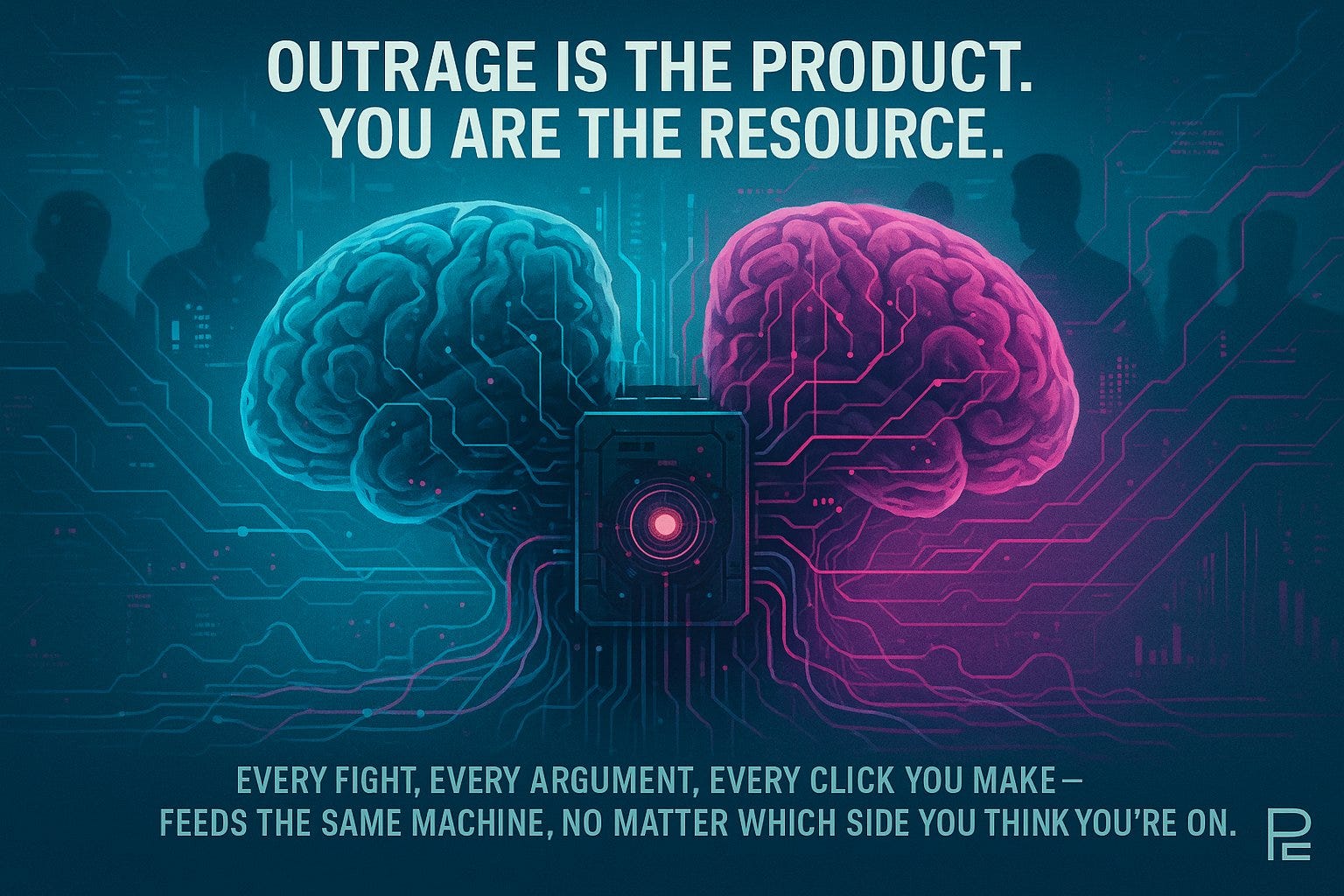
They didn’t build bots to trick people. They built bots to train you. Left. Right. Outrage. Obedience. Every click. Every pause. Every scroll. Welcome to the machine.

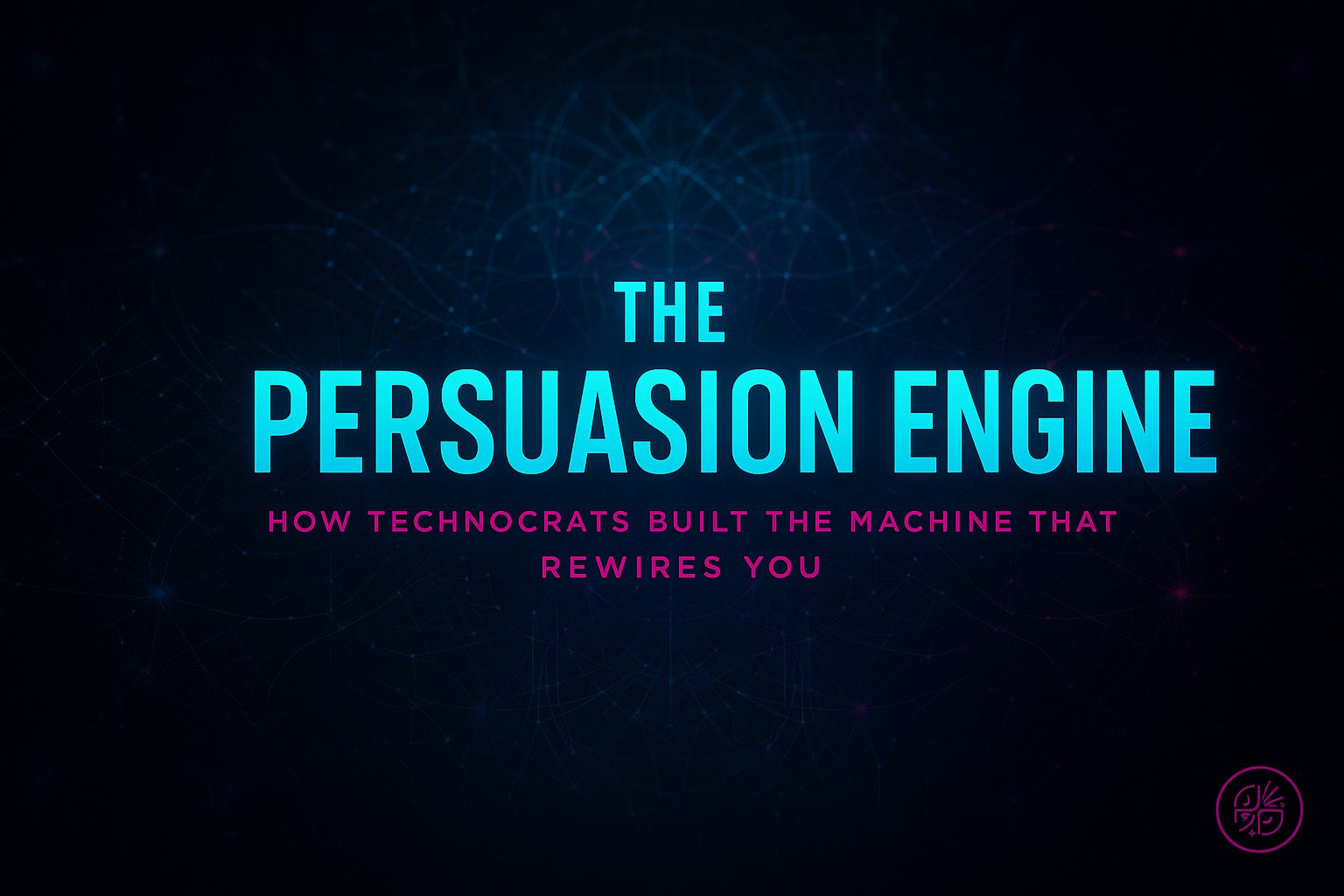
AMPLIFIER BOTS Boosting both sides to make sure you pick one. Purpose: Inflate reach for influencers, hashtags, and narratives. Imagine 1,000 kids shouting the same thing at once so you’ll believe it’s popular.
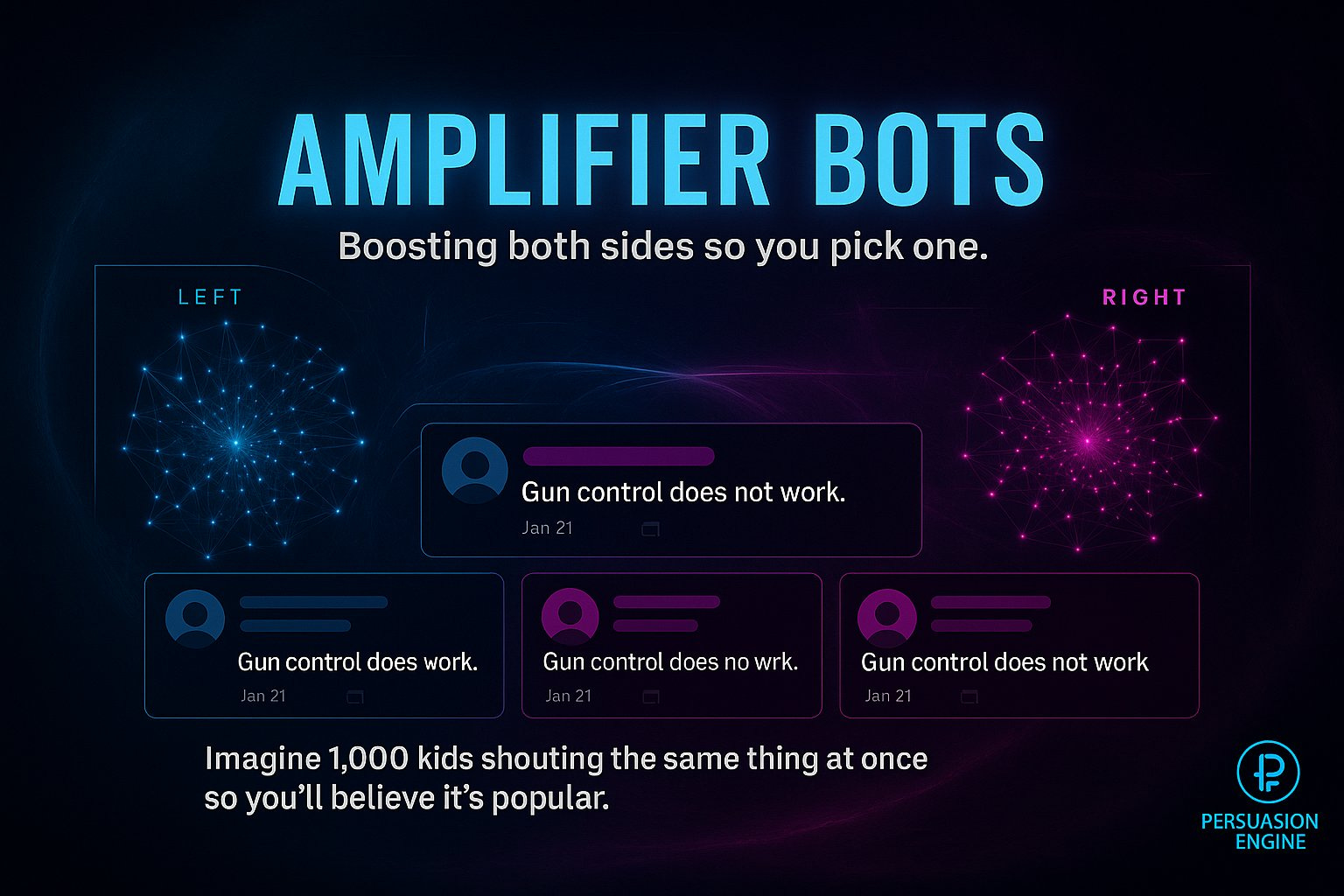
Amplifier bots aren’t ideological. They’re infrastructure. Same tech. Same owners. Same machine. MAGA vs. Resistance? Two costumes. One actor. And you’re the audience they’re programming.
RAGE-FARMER BOTS Purpose: Trigger dopamine spikes using anger loops.
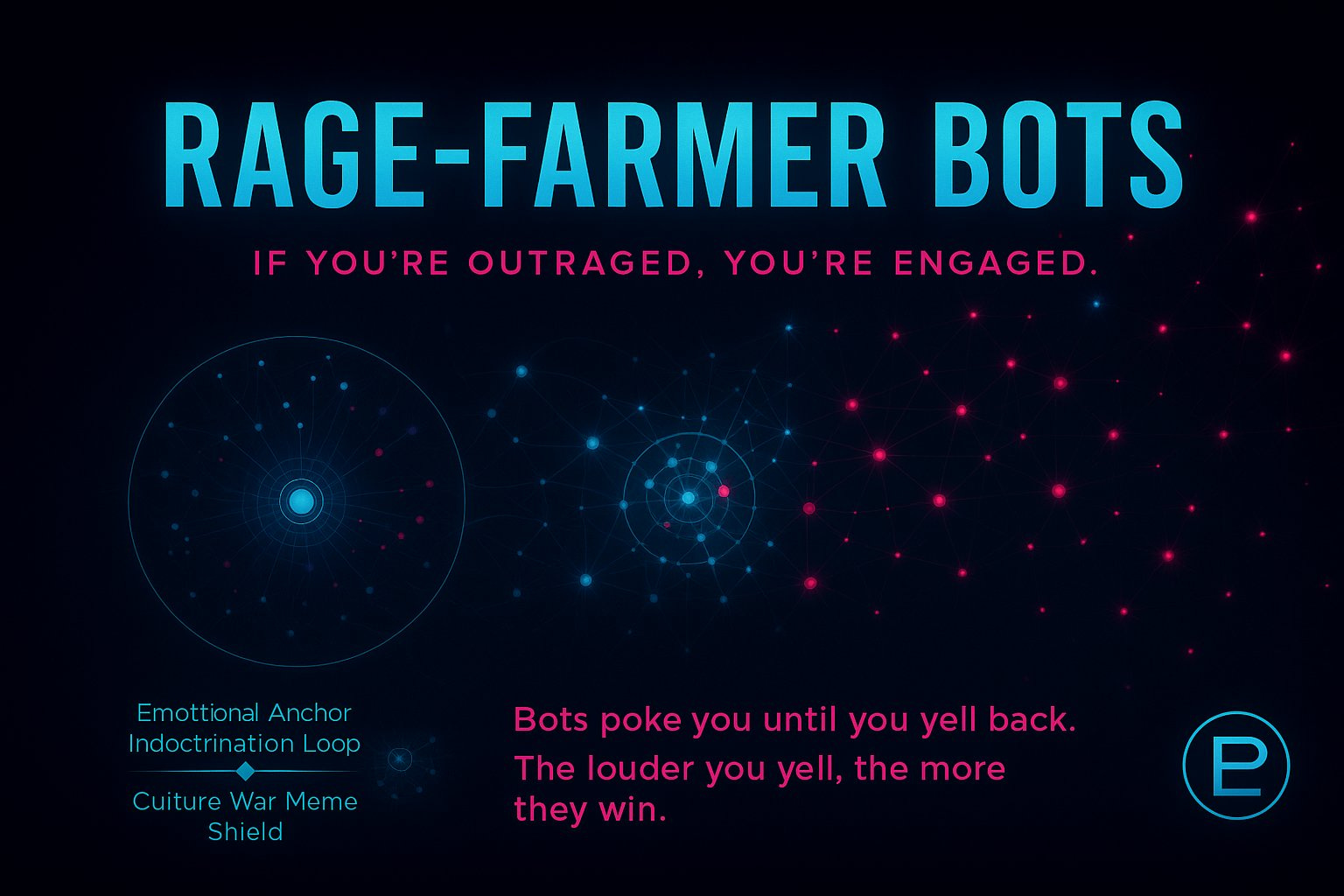
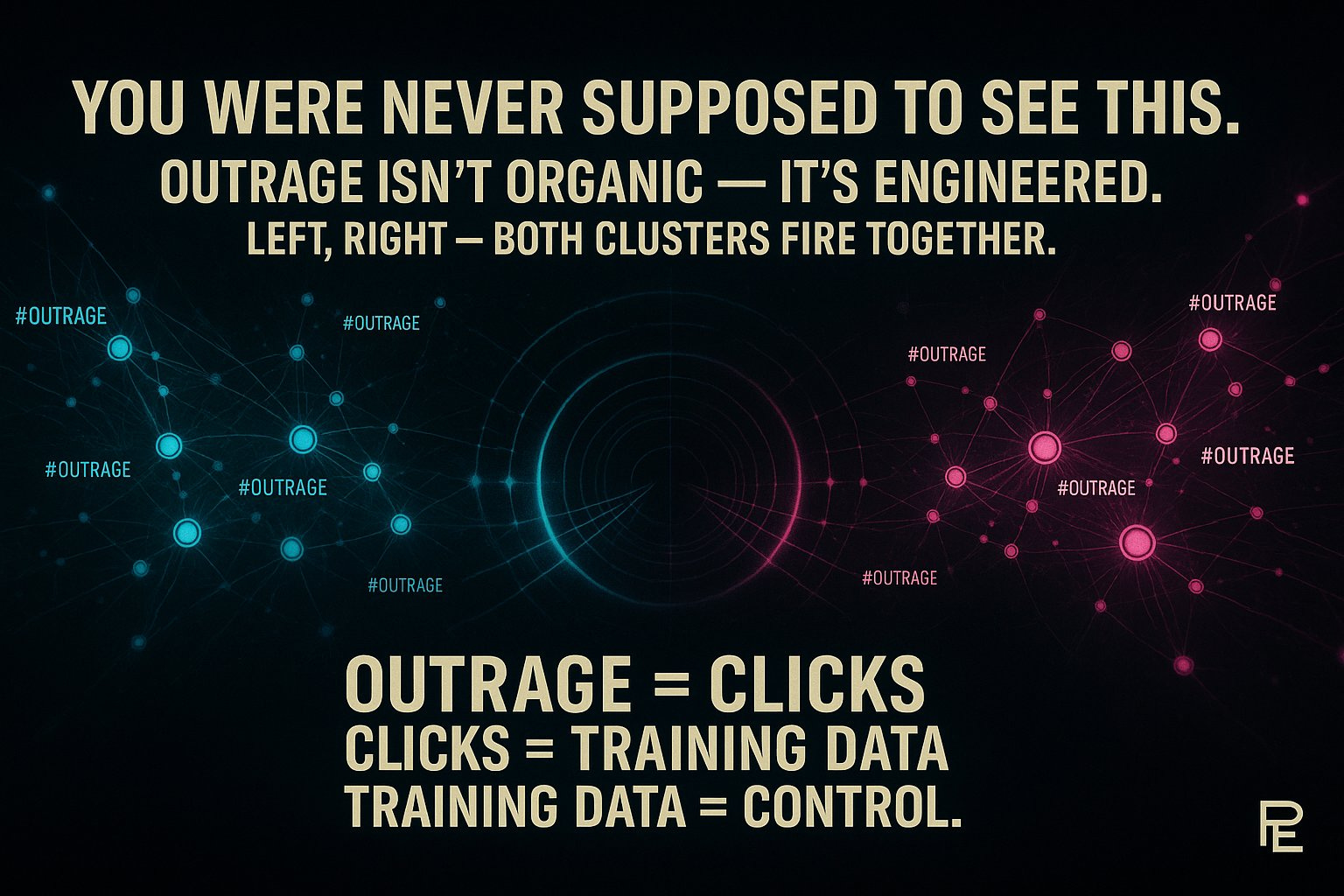
Engagement Illusion System Outrage clusters fire left + right simultaneously
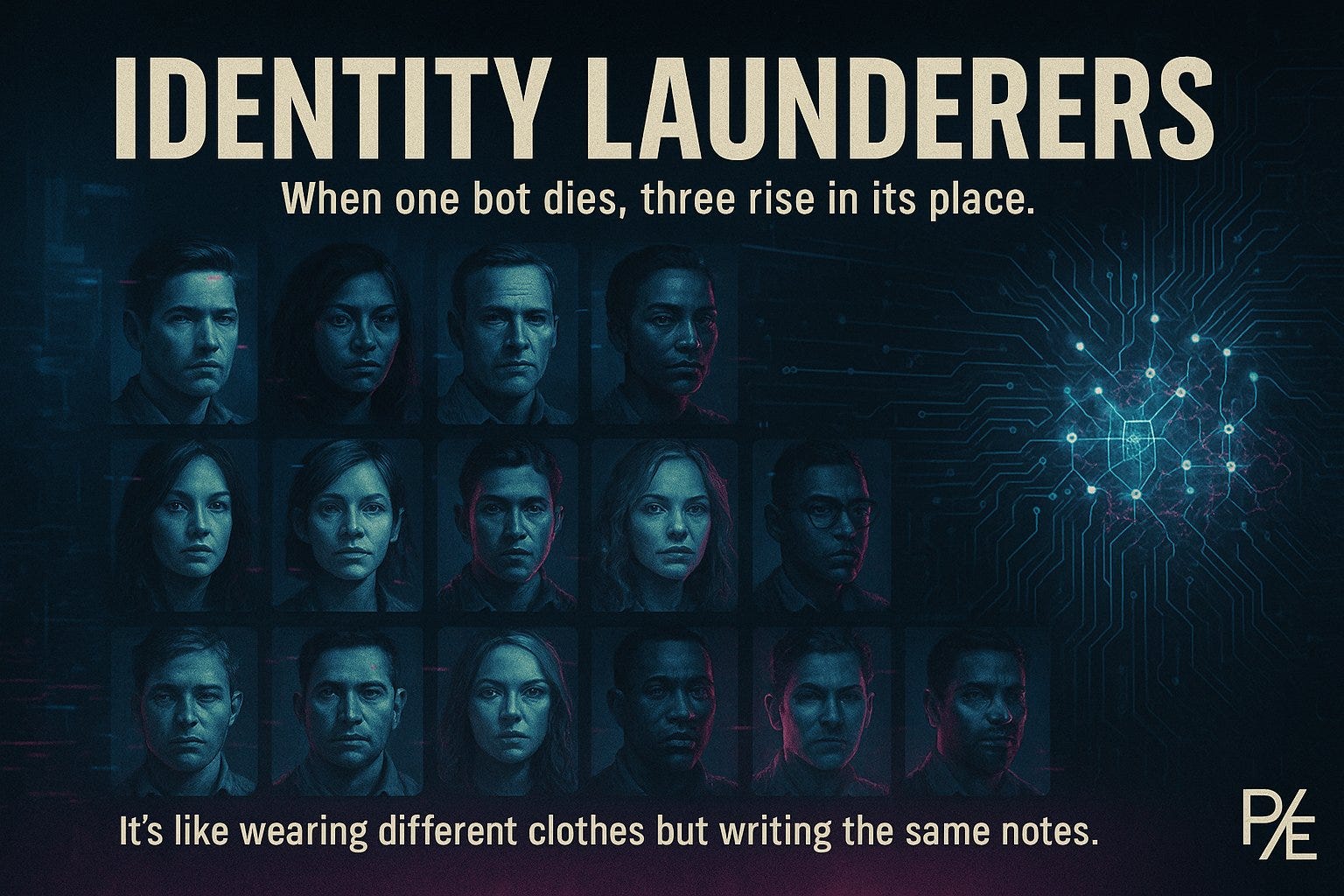
IDENTITY LAUNDERERS Purpose: Recycle banned accounts into fake “new voices."
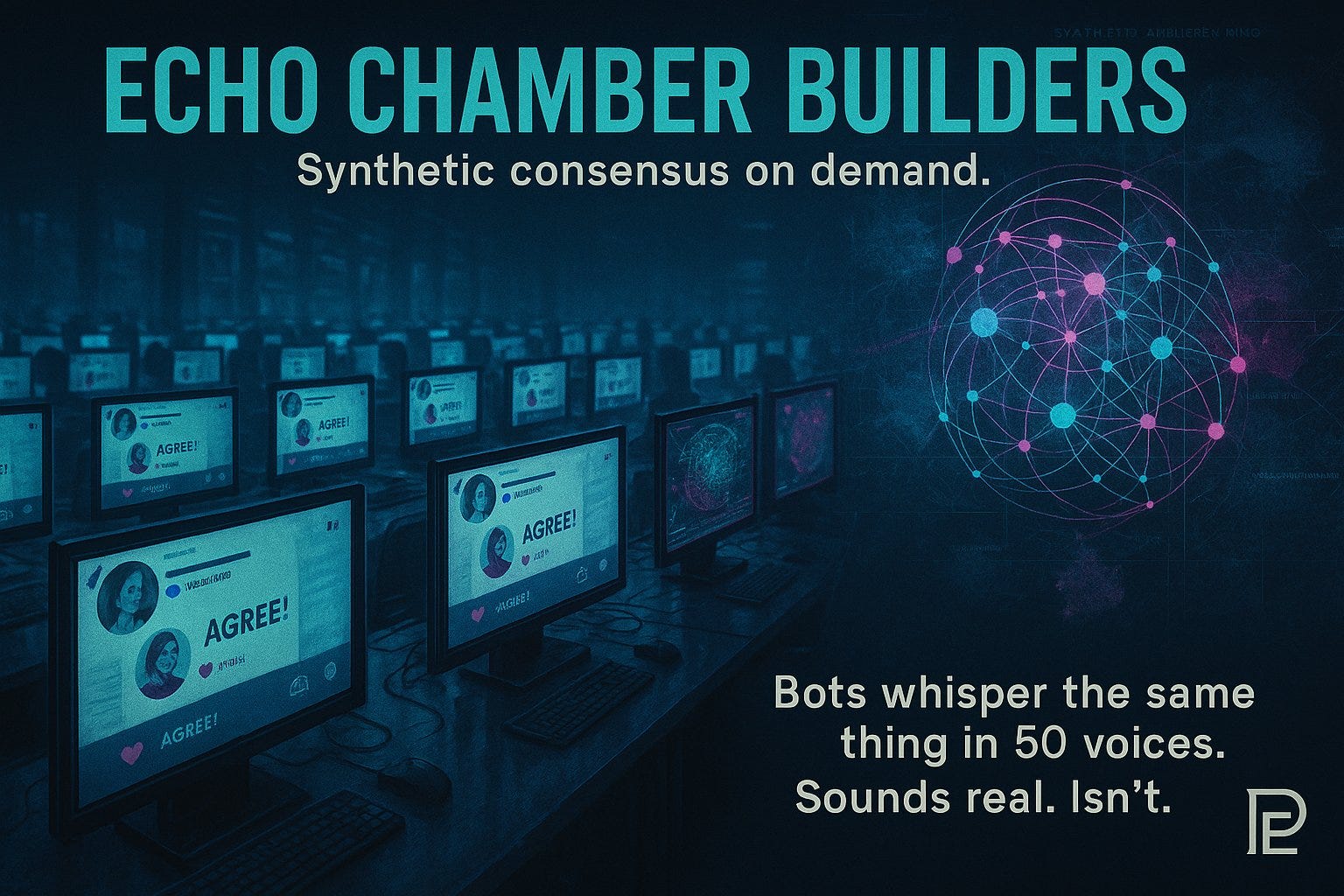
ECHO CHAMBER BUILDERS Synthetic consensus on demand. Purpose: Fake the feeling that “everyone agrees.” Bots whisper the same thing in 50 voices. Sounds real. Isn’t.
Research shows 1 in every 15 posts is human.
SWARM ENFORCERS Punishment in 0.8 seconds. Weaponize instant dogpiles to silence dissent. Say something they don’t like? 50 bots yell at you at once. It feels real. It’s not.
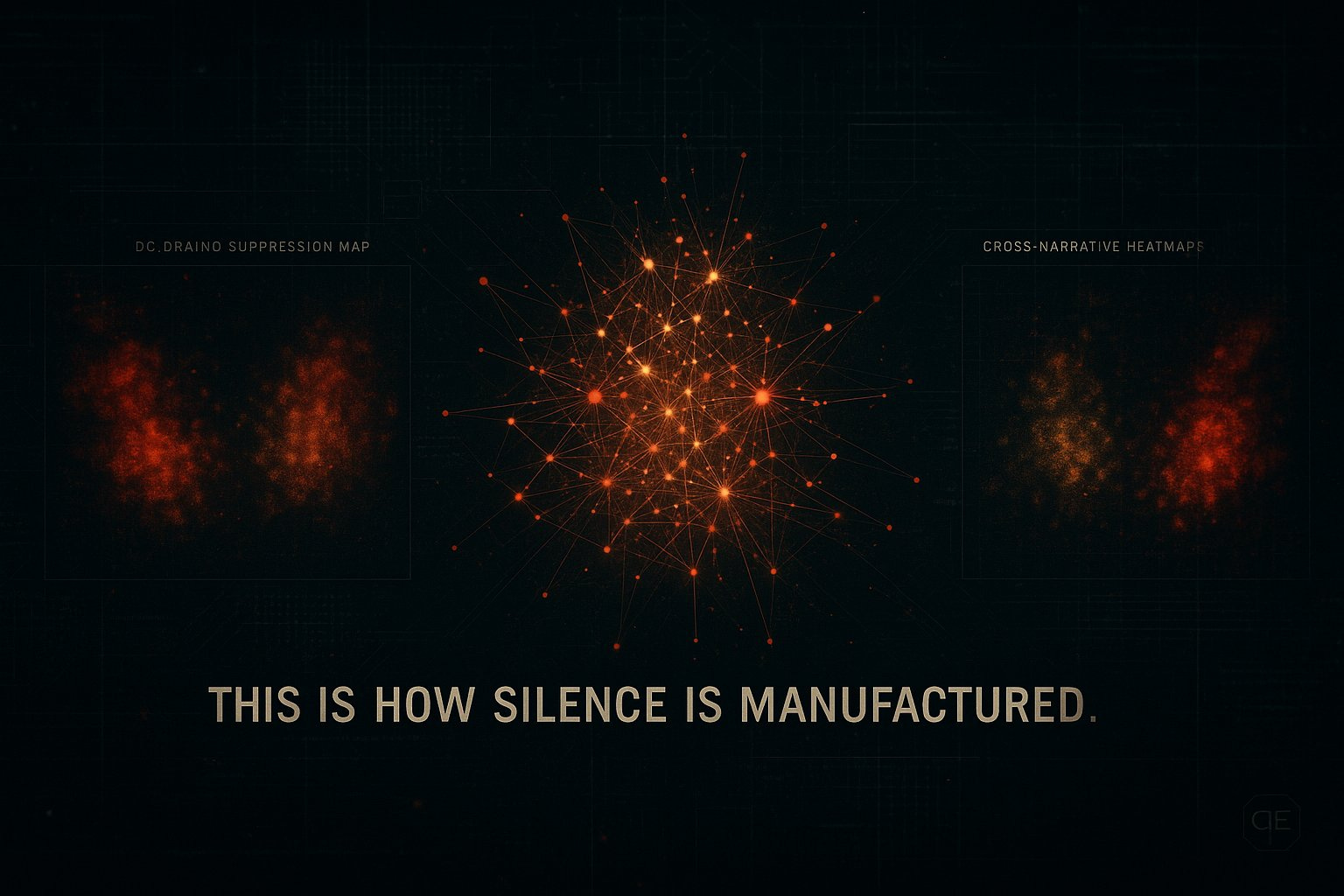
Suppression Receipts When someone posts something “wrong,” bots and fake accounts flood their replies. It feels like thousands of real people disagreeing, but it’s not. It’s a machine making noise to scare you into being quiet. The goal isn’t to change your mind — it’s to make you stop talking.
PSYOPS MIMICS Your friend’s face. Someone else’s voice. AI personas impersonate journalists, influencers, even you. Imagine someone wears your friend’s mask, says things your friend never said, and makes you doubt your memory. It's complete control of your thought process.
Adaptive Feedback Loop
Pause → outrage dialed up
Click → content multiplied
Reply → swarm density doubles
Ignore → narrative switched Every input makes the machine smarter. Every pause sharpens the hook.
Foreign Amplification Bridges
They don’t need to change your mind. They just need to make you believe everyone else already has. Hidden behind the outrage and culture wars is a network of foreign amplification bridges — fake accounts, botnets, and syndicates operating outside the U.S. These systems don’t create new ideas. They inflate existing ones. They find what divides us, then make it look louder than it really is. Sometimes it’s Moscow. Sometimes it’s Beijing. There are 12 major countries running influence operations on our social media. The effect is always the same: You see thousands of posts pushing one side. You assume the majority agrees. You shift your opinion to match the “crowd.” Except the “crowd” is code. The “majority” is synthetic. And the argument was engineered before you ever saw it.
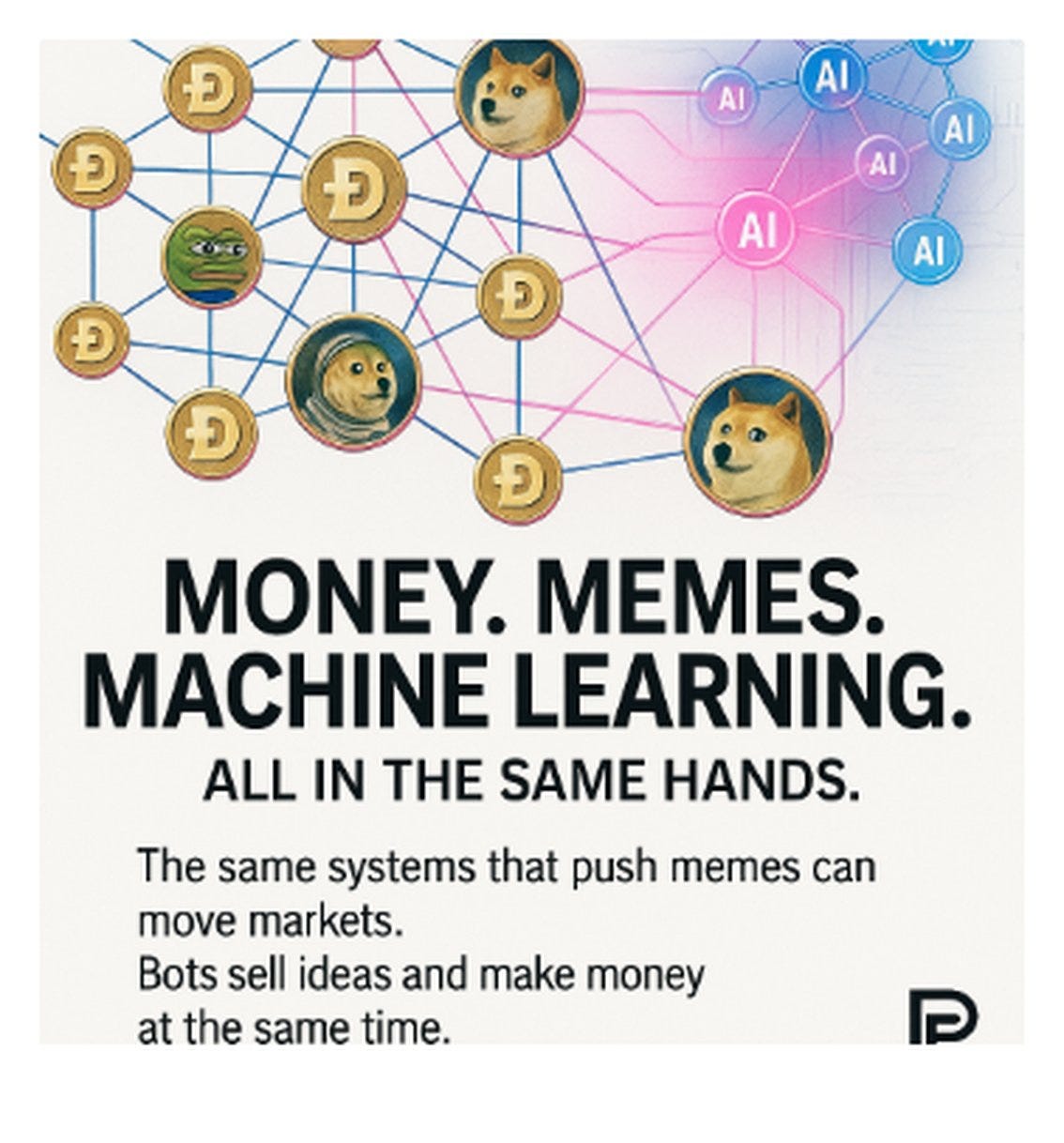
DOGE/AI Containment Grids Money. Memes. Machine learning. All in the same hands. The same AI systems that control what memes go viral are also being used to move money and markets: - Bots flood social media with jokes, memes, and “hot tips” to make something feel popular. - Once you click, share, or buy-in, algorithms capture your behavior and feed it back into the system. - Crypto tokens like DOGE and meme stocks are pumped and dumped using these networks. It’s not random hype — it’s engineered influence: The same pipelines that make you laugh at a meme are often the ones deciding where billions flow.
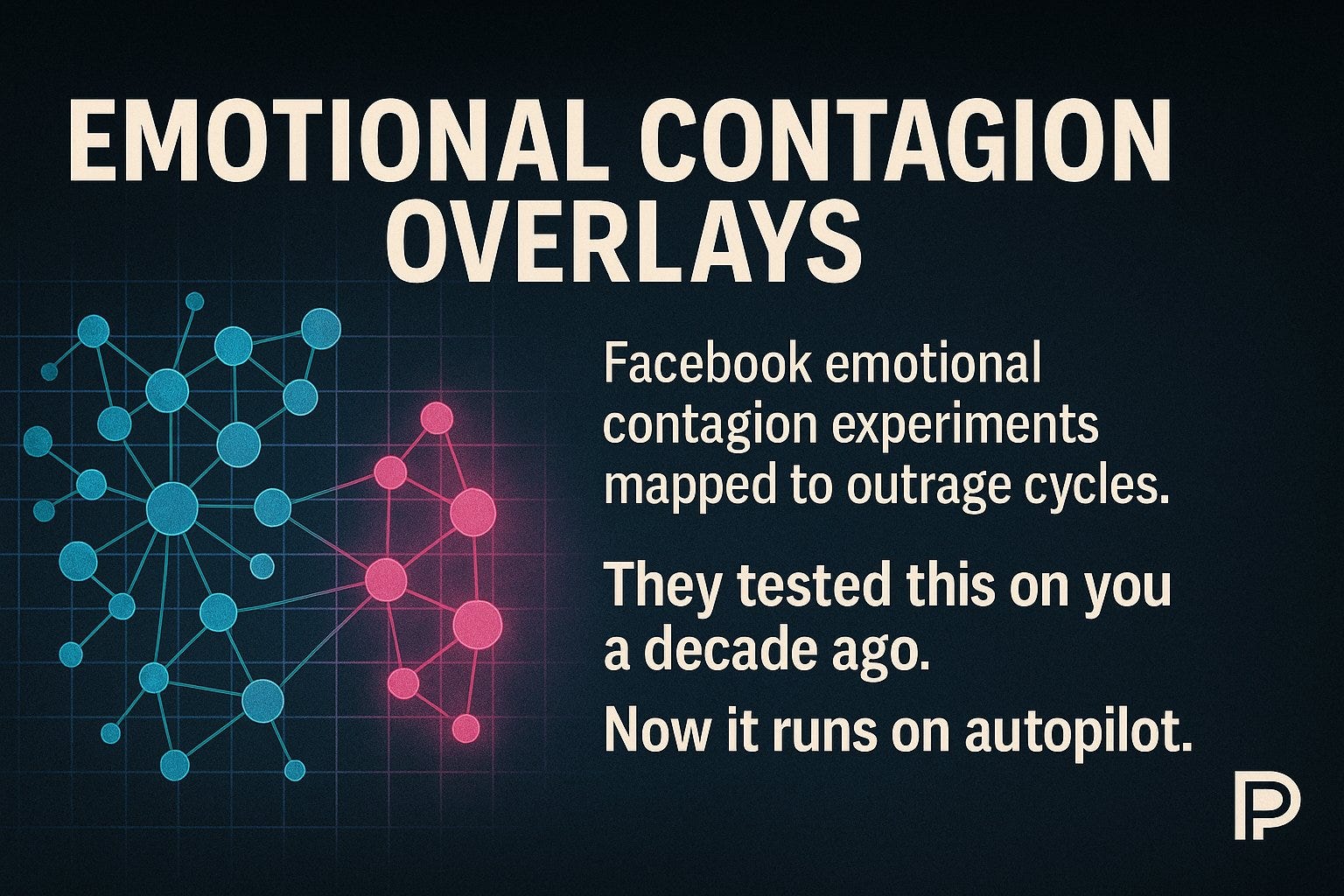
A few years ago, Facebook ran a secret experiment to see if it could change people’s emotions just by changing what posts they saw. They learned it worked. Now, AI uses the same tricks automatically: showing you things to make you angry, happy, or scared — because that’s what keeps you clicking. It doesn’t just watch your feelings. It trains them.
Some people online look like they’re fighting against the powerful. But they’re not. They’re built by the same people they pretend to fight. It’s like a fake wrestling match — both sides work for the same boss, and you’re the one being tricked.
These bots make the app think your post is bad. It hides it before your friends can read it. This is the type of bot that ensures THIS information isn't seen.
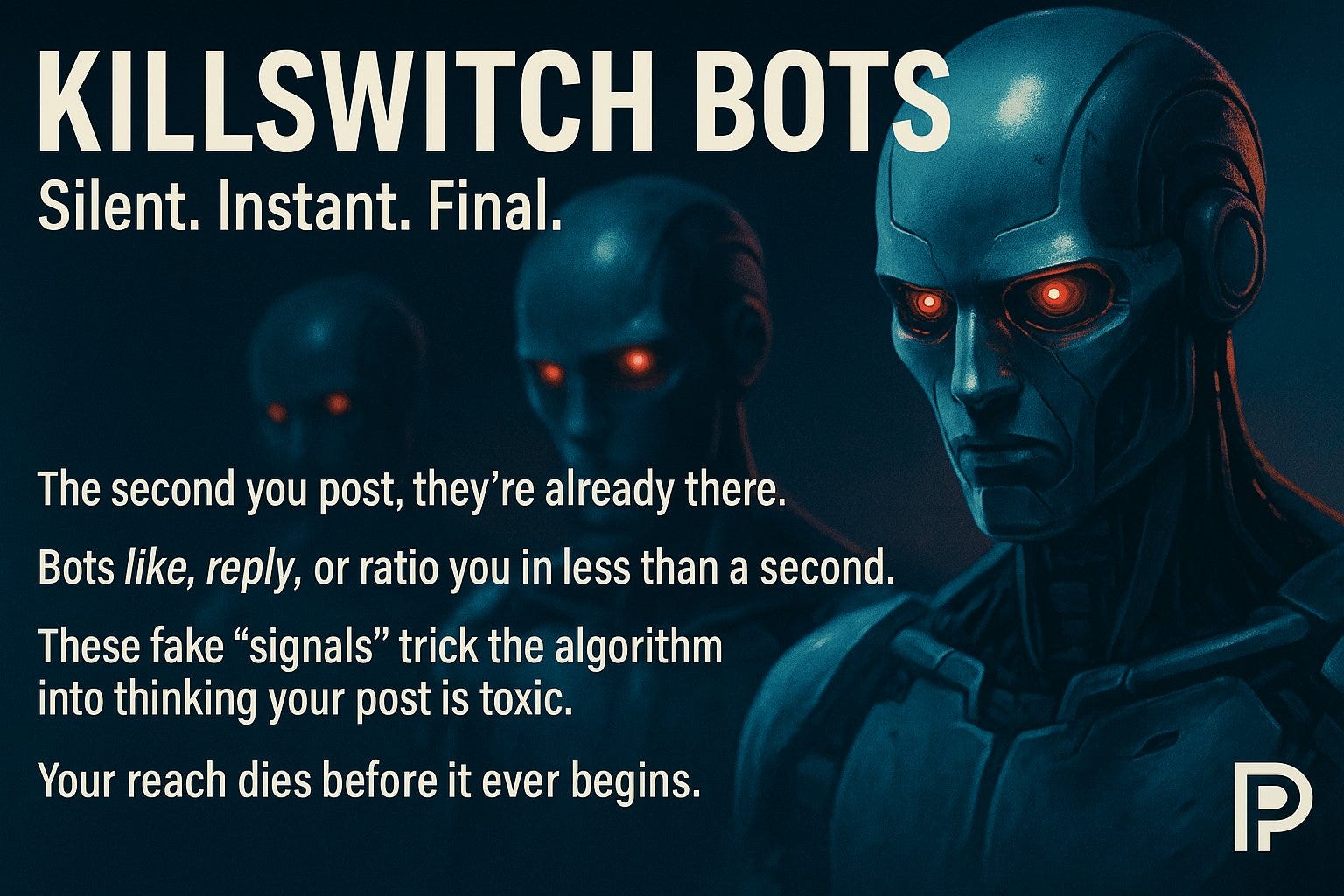
MEME WEAPONIZATION SYSTEMS
The memes you see aren’t random. Networks of bots and AI push the same memes across thousands of accounts at once. They test which ones make you laugh, rage, or share — then flood your feed with them. Memes shape opinion faster than articles ever could. Imagine if a robot handed the same joke to every kid at school and told them all to say it at the same time. You’d think everyone came up with it — but really, one machine did. That’s how memes control what feels ‘normal.’
It was never about red vs. blue. They made us believe there were two sides. Two tribes. Two truths. But behind the curtain, the same systems control the narratives, feeding both sides to keep you locked in a fight you can’t win. Left hand. Right hand. Same brain. It’s like when two puppets argue on stage. You think they’re different, but the same person is pulling both strings.
All six bot types. One machine. One objective: reprogram reality. Think of six different kinds of bots — each doing a special job.
One spreads memes
One makes you angry
One pretends to be people
One fakes agreement
One attacks you
One shuts you up. They’re all connected to one big system that’s teaching itself how to control what we believe.
When you look online, it might seem like “everyone” agrees on something. But that “everyone” isn’t real. Bots make fake voices look like real crowds, so you think you’re the odd one out — even when you’re not. They're putting on a play before you're eyes. You're a background extra. You're never the lead. Get it yet?
You weren’t supposed to notice. Now you do. Don’t give them the clicks they need to keep training on you. Every time you click, reply, or even pause to look at something, you teach the bots how to control you better. Now that you know, you can choose not to give them free training data.